Why You Should Always Keep a Stick of White Chalk in Your Kitchen Drawer
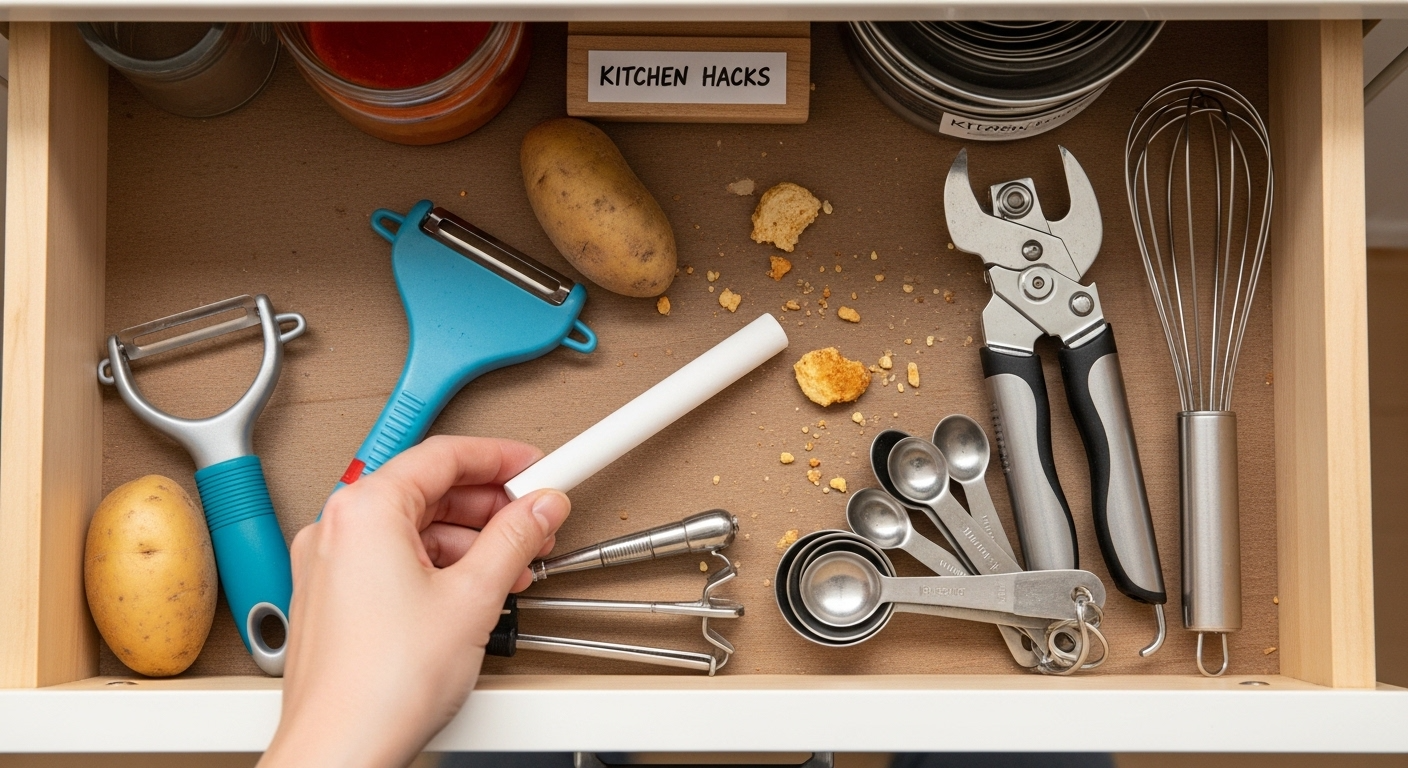
Tucked away in the far corner of your kitchen drawer, a humble white stick sits quietly with a surprising range of uses waiting to be discovered. A piece of chalk might seem like an odd addition to a culinary toolkit, but its versatility makes it genuinely useful in ways that most people have never considered. From solving small organisational headaches to tackling cleaning challenges without reaching for harsh chemicals, this simple tool earns its place alongside the spatulas and measuring spoons.
A Helping Hand in the Kitchen
Picture yourself in the middle of cooking with hands covered in flour or slick with oil, and you realise you have forgotten to label that mysterious jar on the shelf. Reaching for a pen or marker is a messy business, but chalk handles the situation cleanly and efficiently. White chalk is ideal for quickly labelling jars, containers, and spice lids. The markings are bold and visible at a glance, they do not smudge the way ink can, and when it is time to reorganise or restock, they wipe away completely, leaving the surface clean and ready for whatever comes next.
Chalk also solves a small but persistent problem that bakers know well. The tiny measurement markings on measuring cups and spoons can be genuinely difficult to read, particularly on older or worn equipment. A light swipe of chalk over those markings makes them stand out clearly, which means more accurate measurements and fewer moments of squinting under the kitchen light wondering whether that line says a quarter or a third.
A Surprisingly Effective Cleaner
Chalk is not the first thing most people reach for when cleaning, but its gentle abrasive quality makes it effective on stubborn kitchen stains without the harsh chemicals found in many commercial products. Rub chalk onto a stained area, allow it to sit for a few minutes, then wipe away with a damp cloth. This approach works on tough marks on benchtops and on the crusty buildup that accumulates on baking trays over time. Because chalk is a natural substance, it is safe to use in food preparation spaces and leaves no chemical residue behind.
Chalk also has a quiet talent for absorbing odours. Placing a piece in the back of your refrigerator or freezer helps neutralise lingering food smells without any of the artificial fragrance associated with commercial deodorisers. Similarly, a piece of chalk placed in a drawer or cupboard where moisture accumulates can absorb that excess dampness before it becomes a problem, helping to keep both food and equipment in better condition for longer.
A Clever Cooking Companion
In the practical business of cooking, chalk turns out to be a surprisingly versatile guide. If you have ever tried to evenly space vegetables on a roasting tray or portion out cookie dough in equal rounds on a baking sheet, you will appreciate the idea of using chalk to lightly sketch out a layout first. The marks give you a visual guide to work with and wipe away cleanly once the task is done.
Chalk also helps with one of the more frustrating experiences in baking, which is dough sticking to the rolling surface or the rolling pin despite flouring. A light rub of chalk on the surface before you begin rolling creates an additional barrier that helps prevent adhesion and makes the whole process considerably smoother. It is a small thing, but small things in baking tend to matter.
An Unexpected Storage Solution
Keeping a kitchen organised is an ongoing project for most households, and chalk contributes in a couple of useful ways. In drawers that tend toward chaos, chalk can be used to create simple dividing lines or rough compartments that keep utensils and gadgets from sliding into each other. The lines wipe away easily when you want to reconfigure the layout, which means the system can evolve as your needs do rather than locking you into a permanent arrangement.
For metal tools and implements, chalk offers a practical form of protection. A thin layer of chalk rubbed over metal surfaces acts as a barrier against moisture, which is one of the primary causes of rust and oxidation on kitchen equipment. This is particularly worth considering for tools stored in areas that experience humidity, or for items that are used infrequently and might otherwise be neglected until rust has already taken hold.
A Sustainable and Low-Cost Choice
One of the straightforward arguments for keeping chalk in the kitchen is the combination of low cost and genuine usefulness across multiple tasks. A single piece of chalk can replace several disposable or chemical-based products for tasks that range from labelling to light cleaning to moisture absorption. It is biodegradable, contains no harmful chemicals in its standard food-grade form, and the environmental footprint of production and disposal is minimal.
For anyone looking to reduce the number of single-use items in their home or to move away from commercially manufactured cleaning products without sacrificing effectiveness, chalk represents exactly the kind of low-barrier, high-value swap that actually sticks because it works.
Using Chalk Safely and Effectively
A few straightforward guidelines help get the best from chalk in a kitchen context. Always choose a high-quality food-grade chalk without added dyes, fragrances, or chemical additives. Wash any surfaces or utensils that have been in contact with chalk thoroughly before food preparation to ensure no residue is accidentally transferred to food.
Chalk works best on smooth, non-porous surfaces such as metal, glass, and laminate. Avoid using it on porous materials like unsealed timber or natural stone, where chalk pigment can work into the surface and become difficult to remove fully. Store chalk in a cool and dry location when not in use, as moisture will break it down and make it harder to work with over time.
The commitment required to try this is minimal. Add a stick of food-grade chalk to your next shopping run, find it a spot in the kitchen drawer, and approach it with some curiosity. There is a reasonable chance it will earn its place through regular use in ways you had not previously considered, and the cost of finding out either way is about as low as it gets.
Read More: For more practical kitchen tips, household hacks, and lifestyle advice written for Australian readers, visit wizemind.com.au