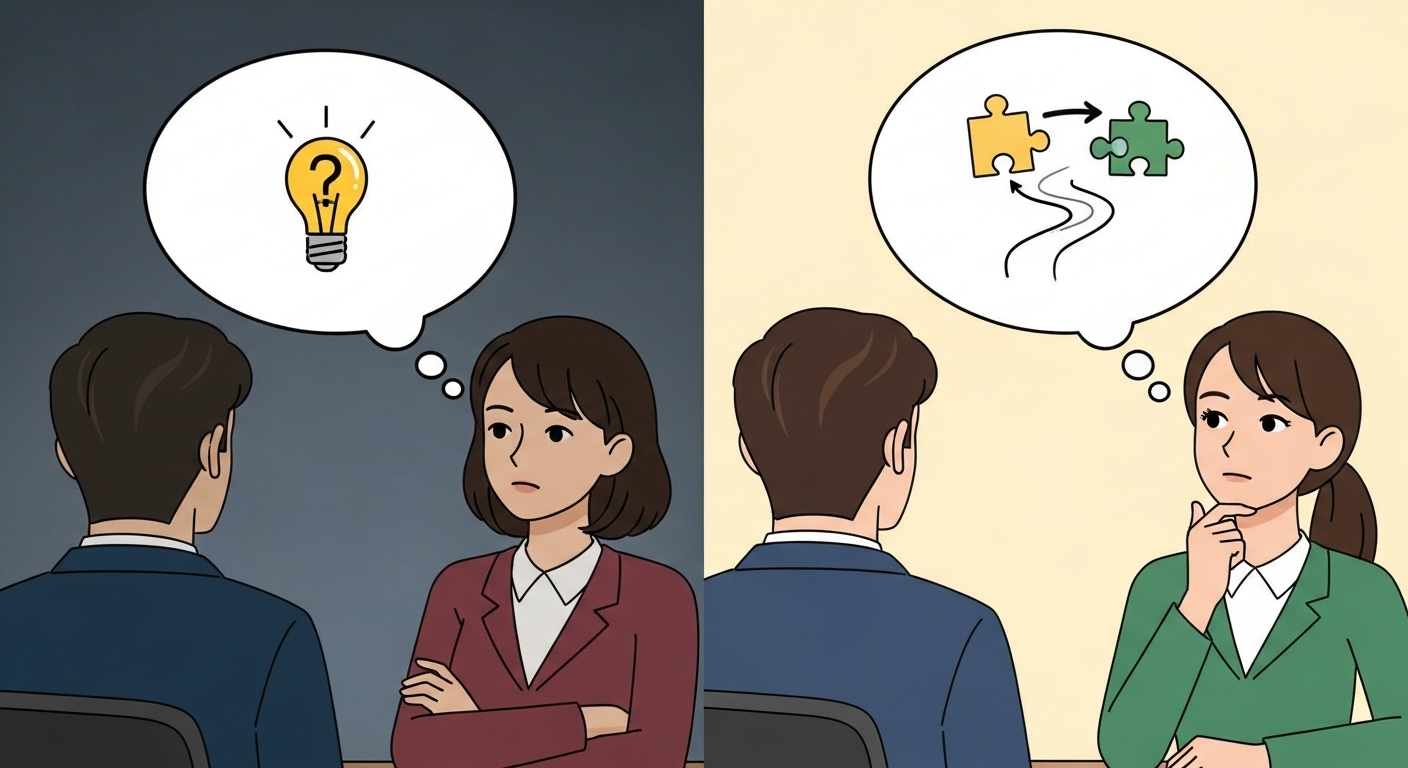
Why Repeating Advice Too Often Makes It Less Effective and What to Do Instead
You’ve heard it a hundred times. Drink more water. Get more sleep. Stop scrolling before bed. And yet, somehow, hearing it again changes nothing.
That’s not a coincidence. There’s real psychology behind why repeated advice loses its power, and understanding it can completely change how you communicate with the people around you.
The Repetition Effect Is Real and Measurable
Researchers have studied what happens when people are exposed to the same message over and over. The findings are consistent. The more often advice is repeated, the less people value it and the less motivated they feel to act on it.
This is known as the repetition effect, and it shows up in marketing, psychology, communication research, and everyday relationships alike.
Why Familiar Advice Starts to Feel Like Noise
When a message becomes too familiar, the brain stops treating it as new information. It gets filed away automatically without any real processing or consideration.
What started as genuine guidance begins to feel like nagging. And once advice feels like nagging, the natural human response is to tune it out entirely.
The Desensitization Problem
Every time someone hears the same advice repeated without variation, their sensitivity to that message decreases. It’s the same mechanism that makes you stop noticing background music in a café after a few minutes.
The advice hasn’t become less true. It’s just become less noticeable, which in practical terms means it has become less useful.
What Experts Say About This Problem
“The key to keeping advice effective is to constantly find new ways to present it. Repeating the same message over and over, no matter how well-intentioned, runs the risk of it becoming background noise. We need to be strategic about when and how we share our insights.” — Dr. Sarah Bernstein, Organisational Psychologist
“In a world of constant information overload, the ability to cut through the noise and deliver truly impactful advice is a rare skill. It’s not just about what you say, but how you say it. The more we infuse insights with novelty and personal connection, the more likely they are to stick.” — Emily Goldstein, Communication Strategist
Novelty Is the Antidote to Repetition Fatigue
The most effective way to keep advice landing is to present it differently each time. Not because the core message changes, but because the framing does.
A fresh metaphor, an unexpected angle, or a new real-world example can make familiar advice feel like it’s being heard for the first time. That feeling of novelty is what triggers genuine attention and consideration.
Relevance Matters Just as Much as Freshness
Generic advice rarely moves people. Advice that speaks directly to someone’s current situation is a completely different experience.
The same productivity tip that felt irrelevant six months ago can hit differently when someone is in exactly the right circumstances to receive it. Timing and personal applicability are what separate advice that sticks from advice that evaporates.
The Right Moments to Repeat Something
Not all repetition is harmful. Strategic, selective repetition at the right moment can actually reinforce important messages and help them become habits.
The difference is intentionality. Repeating something daily until people stop hearing it is different from reinforcing a core principle at the start of a new project, a new season, or a meaningful transition point.
Timing and Context Change Everything
The same advice can land completely differently depending on when it arrives. Work-life balance guidance during a hectic period will be received far more seriously than the same advice during a calm week.
Being attuned to where someone is in their life when you offer advice is what separates people who genuinely help from people who are simply well-intentioned but ineffective.
Storytelling Makes the Same Message Feel New
One of the most powerful tools for refreshing repeated advice is personal narrative. When advice is wrapped in a real story, it stops feeling like instruction and starts feeling like experience.
An anecdote that reflects someone’s exact challenge or situation creates an emotional connection that bullet points and repeated tips never can. People remember stories long after they’ve forgotten the advice itself.
How Different Approaches Compare
| Technique | Example | Impact |
|---|---|---|
| Novelty | Present a tip as a short story instead of a list | Captures attention and feels fresh |
| Relevance | Tailor advice to a specific person’s current challenge | Feels directly applicable and valuable |
| Selective repetition | Reinforce key points quarterly, not daily | Cements habits without overwhelming |
| Timing and context | Share stress advice during a genuinely stressful period | Feels timely rather than generic |
| Storytelling | Use a personal anecdote to illustrate the point | Creates emotional connection and recall |
Adapting Over Time Is Non-Negotiable
The world changes. People’s circumstances change. And advice that was impactful last year may need to be completely rethought to stay relevant today.
The most effective communicators aren’t the ones with the best advice. They’re the ones willing to evolve how they share it as their audience’s needs shift over time.
Conclusion: Say It Better, Not More Often
The instinct to repeat important advice more frequently when it isn’t working is completely understandable. But frequency is rarely the problem, and increasing it usually makes things worse.
What actually works is novelty, relevance, timing, and human connection. Present the same truth through a different lens, at the right moment, to someone who can actually use it right now. That’s when advice stops being noise and starts creating real change.
Read more: https://wizemind.com.au/
Frequently Asked Questions
Why does repeated advice stop feeling effective over time? Because of the repetition effect, a well-documented psychological response where repeated exposure to the same message causes people to value it less and feel less motivated to act on it. The brain begins filtering out familiar messages automatically.
What is the most effective way to keep advice from losing impact? Introduce novelty by changing how the advice is framed or presented. A new metaphor, a different context, or a personal story can make familiar advice feel genuinely new to the person receiving it.
Is all repetition bad when sharing advice? No. Selective and intentional repetition at meaningful moments, such as the start of a new project or a significant life transition, can reinforce important principles without triggering desensitisation.
How does storytelling improve the effectiveness of advice? Stories create emotional connection and make advice feel personal and relatable rather than instructional. People remember narratives far longer than they remember repeated tips or abstract recommendations.
Why does timing matter so much when giving advice? The same advice can feel life-changing or completely irrelevant depending on where someone is in their circumstances. Advice that arrives when someone is actively facing the relevant challenge lands with far greater impact than the same advice delivered at a neutral moment.
How can advice be made more relevant to individuals? By tailoring it to the specific situation, challenges, and goals of the person receiving it. Generic advice is easy to dismiss. Advice that speaks directly to someone’s current reality is much harder to ignore.
What should you do when your advice clearly isn’t landing? Stop repeating it in the same way and rethink the framing entirely. Ask whether the timing is right, whether the message feels relevant to that person right now, and whether there’s a story or new angle that could make the same truth feel fresh and worth hearing.
Key Points
- Repeated advice loses impact over time due to a documented psychological response called the repetition effect
- The brain automatically filters out familiar messages and stops treating them as new information
- Advice that is heard too frequently begins to feel like nagging rather than genuine guidance
- Novelty in presentation is the most effective way to keep familiar advice feeling fresh and worth hearing
- Relevance to someone’s current situation dramatically increases the likelihood that advice will be acted on
- Generic one-size-fits-all advice is far easier to dismiss than advice tailored to a specific person’s circumstances
- Timing is a critical factor in whether advice lands or gets tuned out entirely
- The same advice can feel revelatory during a relevant challenge and completely stale during a calm period
- Strategic selective repetition at meaningful moments reinforces habits without causing desensitisation
- Storytelling and personal anecdotes create emotional connection that repeated tips alone cannot achieve
- People remember stories significantly longer than they remember abstract advice or bullet-pointed recommendations
- Effective advisers adapt how they communicate as their audience’s needs and circumstances change over time
- Increasing the frequency of advice when it isn’t working usually makes the problem worse rather than better
- The goal is to say things better and at the right moment, not simply to say them more often
- Real impact comes from the combination of novelty, relevance, timing, and genuine human connection