These 7 Garden Plants Are Genuinely Low Maintenance and Worth Every Square Metre
You Do Not Need Hours of Weekend Work to Have a Beautiful Garden
Many people avoid gardening because they assume it demands constant attention, precise watering schedules, and expensive care products. But the right plant selection changes everything, and these seven options prove that a thriving garden does not have to be a demanding one.
Whether you have a sprawling backyard or a compact courtyard, low-maintenance plants can deliver colour, texture, and life with minimal intervention throughout the year. The key is choosing varieties that are naturally suited to your climate and soil rather than fighting against them.
1. Lavender: Drought-Tolerant and Practically Self-Sufficient
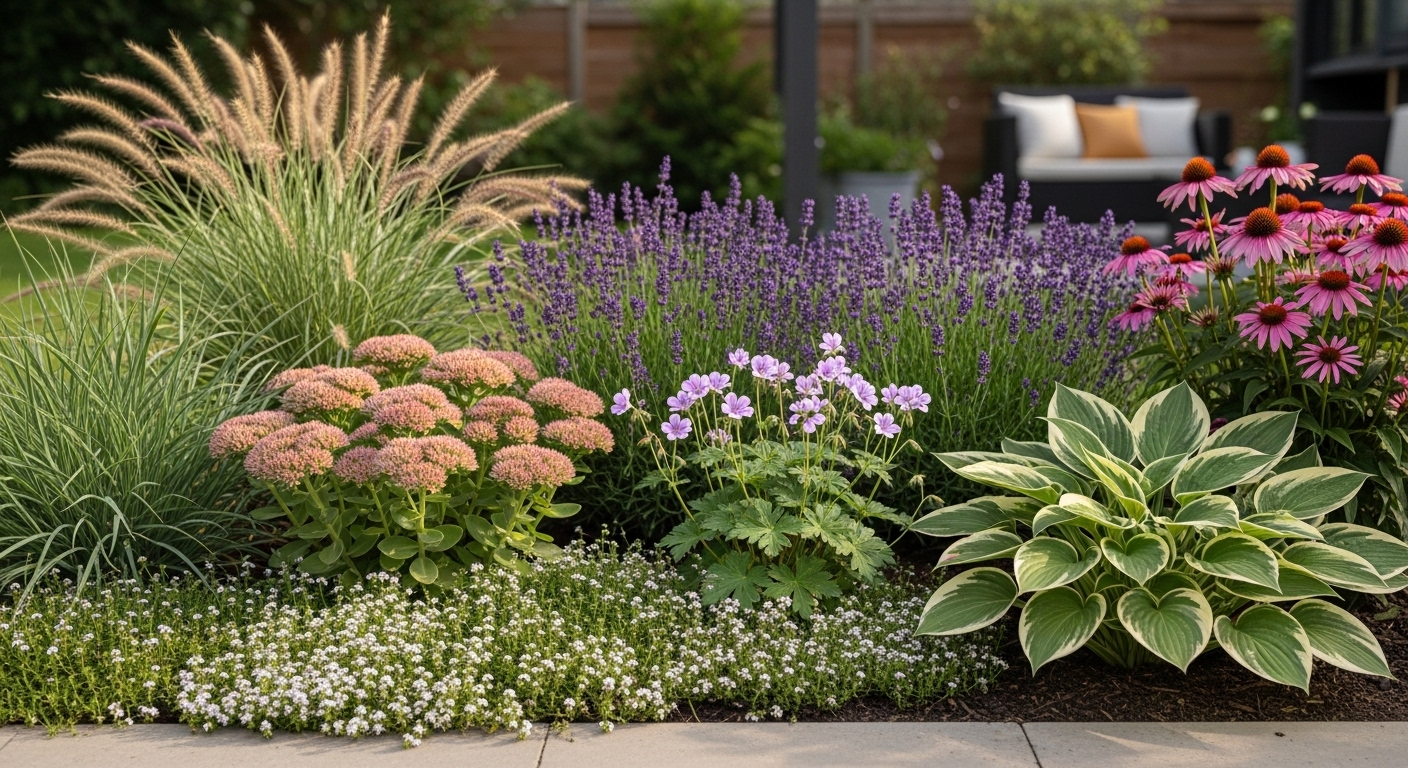
Lavender is one of the most reliably hands-off plants available to Australian gardeners, thriving in full sun and free-draining soil. Once established, it asks for little beyond an occasional light trim after flowering and complete freedom from overwatering.
Its silvery foliage and purple flower spikes provide year-round visual interest while the fragrance alone makes it worth every centimetre of garden space. Lavender is also naturally deer and pest resistant, and its dried flowers have practical uses in sachets, cooking, and homemade bath products.
2. Succulents: The Plants That Genuinely Thrive on Neglect
If there is one category of plant that has earned the title of truly low maintenance, succulents own it outright. Their ability to store water in their leaves means they can tolerate weeks without attention and still look healthy and structured.
From rosette-forming echeveria to architectural jade plants, succulents come in hundreds of varieties suitable for garden beds, containers, and sunny windowsills. The only real mistake you can make with succulents is overwatering, which means doing less is genuinely the correct approach with this group.
“Succulents and ornamental grasses are my go-to choices for low-maintenance gardens. They add visual interest and texture with virtually no effort.” — John Smith, Landscape Designer
3. Ornamental Grasses: Movement and Texture Without the Work
Ornamental grasses are one of the most underused options in Australian residential gardens despite offering exceptional visual payoff for minimal effort. Their flowing movement in a breeze, year-round structural interest, and natural drought tolerance make them ideal for low-intervention planting schemes.
Varieties like blue fescue and maiden grass suit different scale requirements and deliver contrasting colours and textures that complement most other planting styles. A single trim in early spring before new growth emerges is essentially all the maintenance these plants require across an entire growing season.
4. Knockout Roses: All the Beauty Without the Traditional Rose Drama
Roses have a long-standing reputation for being high-maintenance, disease-prone, and temperamental, but the Knockout rose series has thoroughly dismantled that reputation. These compact, disease-resistant roses deliver continuous flowering across the season without the deadheading, spraying, and precise pruning that traditional roses demand.
Black spot and powdery mildew, the two most common rose ailments in Australian gardens, are largely shrugged off by Knockout varieties without any chemical intervention. A light trim in early spring and the occasional removal of spent blooms is all that is needed to keep them producing colour through the warmer months.
5. Daylilies: Dependable Colour That Returns Every Year
Daylilies are one of the most forgiving perennials available, adapting easily to a wide range of soil types, light conditions, and climates across Australia. Their sword-like foliage provides structural interest even when the plants are not in bloom, and their trumpet-shaped flowers come in dozens of colours from soft yellow through to deep burgundy.
Division every few years is the most demanding task daylilies require, and this is as much about managing their vigorous spread as it is about maintaining plant health. Beyond this occasional task, daylilies are essentially autonomous once established, returning reliably each season without any significant input from the gardener.
6. Coneflowers: Tough Native-Style Blooms That Pollinators Love
Coneflowers, known botanically as echinacea, are built for tough conditions and deliver outstanding results in full sun with minimal water once established. Their upright stems and distinctive daisy-like blooms with raised centres add a bold, naturalistic character to garden beds that suits both formal and informal planting styles.
Pollinators are strongly attracted to coneflowers, making them an excellent choice for gardeners who want to support local bee and butterfly populations without creating additional maintenance demands. Occasional deadheading encourages further flowering, but even left entirely alone, coneflowers will self-seed and return with increasing vigour each season.
7. Yarrow: A Drought-Hardy Workhorse That Earns Its Space
Yarrow is the kind of plant that performs best when largely left alone, thriving in poor soil and hot, dry conditions that would stress most other garden plants. Its flat-topped flower clusters in yellow, white, pink, and red tones create a striking horizontal layer in the garden that contrasts beautifully with vertical or mounding plants nearby.
Butterflies and beneficial insects are reliably drawn to yarrow, adding ecological value to its visual contribution without any additional effort from the gardener. A light cut-back in early spring and the removal of spent flower heads is the entirety of the annual maintenance this hardworking perennial requires.
“These low-maintenance plants are a godsend for busy gardeners. They allow you to enjoy the beauty of a thriving garden without the constant worry and upkeep.” — Jane Doe, Horticulture Specialist
Three Insider Tips That Make Any Low-Maintenance Garden Work Better
Starting with well-draining soil is the single most impactful preparation step for any of the plants on this list. Many low-maintenance varieties, particularly lavender and succulents, will struggle and eventually fail in waterlogged conditions regardless of how little attention you give them otherwise.
Grouping plants with similar water and sun requirements together reduces the mental load of garden care and makes whatever minimal maintenance is needed far more efficient. Applying a generous layer of organic mulch around established plants also suppresses weeds and retains soil moisture, cutting down the frequency of watering in drier months considerably.
Frequently Asked Questions
Do low-maintenance plants still need fertilising? Most need very little. A light application of compost or slow-release organic fertiliser in early spring is generally sufficient for all seven plants on this list.
Can these plants grow successfully in containers? Yes. Succulents, lavender, and ornamental grasses are particularly well-suited to container growing provided the pot has adequate drainage holes and the mix is free-draining.
How drought-tolerant are these plants in Australian summer conditions? Most are highly drought-tolerant once established, particularly yarrow, succulents, coneflowers, and lavender, which are all suited to hot, dry Australian summers.
Do any of these plants attract unwanted pests? These varieties are generally pest and disease resistant by nature. Knockout roses and coneflowers in particular have been specifically selected or bred for resistance to common garden ailments.
Which of these is best for a beginner gardener? Succulents and daylilies are the most forgiving starting points, as both tolerate inconsistent watering and a wide range of soil and light conditions without significant impact on their performance.
Key Points to Remember
- Lavender, succulents, and yarrow are among the most drought-tolerant options available for Australian gardens.
- Knockout roses have eliminated the traditional high-maintenance reputation of roses through disease resistance and compact growth habits.
- Ornamental grasses and daylilies provide year-round structural interest with only a single annual maintenance task each.
- Well-draining soil and generous mulching are the two preparation steps that most reliably support low-maintenance plant success.
- Many of these plants actively support local pollinators, adding ecological value alongside their visual and practical benefits.
Conclusion
A beautiful garden and a busy life are not mutually exclusive, provided you choose plants that work with your environment rather than against it. These seven options represent some of the most reliable, rewarding, and genuinely effortless plants available to Australian gardeners today.
The initial effort of selecting and planting the right varieties pays dividends across every season that follows. Less maintenance, more enjoyment, and a garden that continues to deliver regardless of how much attention you manage to give it.
Read more: https://wizemind.com.au