Storing Fuel at Home Could Void Your Insurance: What Australians Need to Know Right Now
The queues at service stations have told the story clearly enough. As fuel prices climb in response to ongoing tensions in the Middle East, a growing number of Australians have been doing what feels instinctively sensible: filling extra containers, stocking up while they can, and storing fuel at home to avoid paying more later.
It feels like a reasonable response to an uncomfortable situation. The problem is that for many homeowners, it may be quietly cancelling their insurance coverage without them realising it.
Why the Insurance Council Is Sounding the Alarm
The Insurance Council of Australia has issued a direct warning to homeowners considering bulk fuel storage on their properties. The core message is straightforward. Standard home insurance policies typically exclude damage caused by hazardous materials, and petrol and diesel firmly fall into that category.
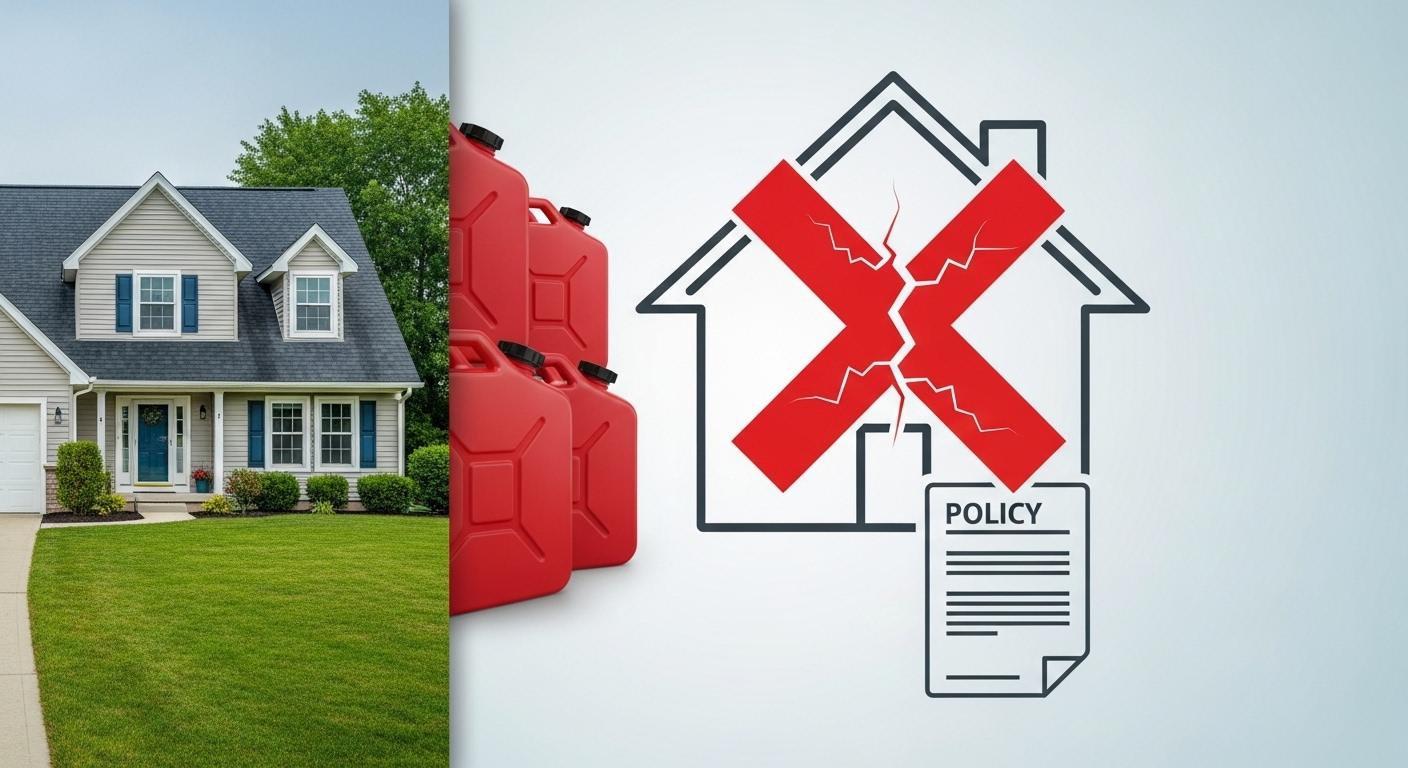
When you store large quantities of fuel on your property without disclosing it to your insurer, you are potentially changing the risk profile of your home in a way that voids your coverage. If a fire, explosion, or spill occurs and it is linked to that stored fuel, your claim may be rejected entirely.
A spokesperson for the ICA put it plainly: if you store fuel without meeting safety guidelines or legal requirements, your home insurance could be invalidated if an accident occurs. The advice is to review your Product Disclosure Statement and contact your insurer before storing anything beyond a small, compliant amount.
This is not a theoretical risk. In Queensland, a homeowner lost an insurance claim after a leaking underground petroleum tank caused contamination. The policy excluded pollutant-related damage, and the homeowner was left covering the full clean-up cost out of pocket.
The Reality of Australia’s Fuel Supplies
Before anyone reaches for a jerry can, it is worth understanding what the actual supply situation looks like. Energy Minister Chris Bowen has urged Australians not to panic, and the numbers behind that advice are significant.
Australia currently holds more than 36 days worth of petrol in reserve, along with 34 days of diesel and 32 days of jet fuel. Refining companies have confirmed confidence in their oil supply through May, with contracts already in place to ensure continued delivery. The disruption is real in terms of price, but there is no imminent shortage that warrants emergency stockpiling at a household level.
The panic buying that has been spreading through service stations is not solving a supply problem. In some areas, it is creating one by concentrating demand and encouraging others to follow suit.
What Makes Home Fuel Storage Genuinely Dangerous
Fuel is not just an insurance issue. It is a physical hazard that demands serious respect. Petrol vapour is heavier than air, which means it settles and accumulates in enclosed spaces like garages, making ignition possible from something as ordinary as a light switch or a hot water system pilot flame.
The RACQ has outlined what responsible fuel storage looks like for anyone who does need to keep a small amount at home. Containers must meet Australian safety standards under AS 2906-2001, meaning certified metal or plastic containers only. Plastic drink bottles, oil containers, and anything not purpose-built for fuel storage are not acceptable. Fuel should never be transported inside a vehicle cabin or stored near any heat source, open flame, or spark risk. Only the minimum amount necessary for immediate use should be kept on hand, and most fuels remain usable for around three months under good conditions before degrading.
Checking with local authorities about what is legally permitted in your state is also essential, as regulations vary and non-compliance can carry legal liability beyond just insurance implications.
Price Gouging Is Being Investigated
The fuel price spike has raised concerns beyond just consumer behaviour. The RACQ has referred several major fuel retailers to the Australian Competition and Consumer Commission after prices at some service stations appeared to rise far faster than global oil price movements would justify.
Dr Ian Jeffreys from RACQ noted that global price changes typically take around two weeks to flow through to retail prices. In this case, increases appeared within days at some locations, suggesting that certain retailers may have moved opportunistically rather than in response to their actual cost changes.
Treasurer Jim Chalmers has encouraged Australians to use price monitoring tools to identify cheaper fuel nearby and to spend at retailers who are pricing fairly rather than rewarding those who are not.
The Smarter Response to Rising Fuel Costs
Storing fuel at home feels like taking control of a situation that is frustrating and out of your hands. But the risks, financial, physical, and legal, are significant enough that for most households, it simply is not worth it.
The more effective approach is to stay informed about local prices using comparison apps, fill up at honest retailers, avoid unnecessary trips where possible, and trust that the reserves Australia already has in place will cover the country’s needs while the global situation stabilises.
The fuel crisis will ease. An insurance policy voided by an undisclosed hazardous material, or a garage fire caused by improperly stored petrol, will leave consequences that last far longer than any temporary price spike at the pump.