I Turned Off My Phone for a Week in a Long Distance Relationship and My Partner Called It Emotional Abuse and Now Even My Therapist Cannot Decide Who Was Really Wrong
I did not plan for silence to become the loudest thing in our relationship.
It started the way most quiet rebellions do. Gradually, then all at once. I was exhausted. Not from work or routine, but from the invisible labor of being constantly reachable for someone who lived four hundred miles away. The blue ticks. The typing indicators that appeared and disappeared without warning. The unspoken rule that love, at a distance, must be proven in response times.
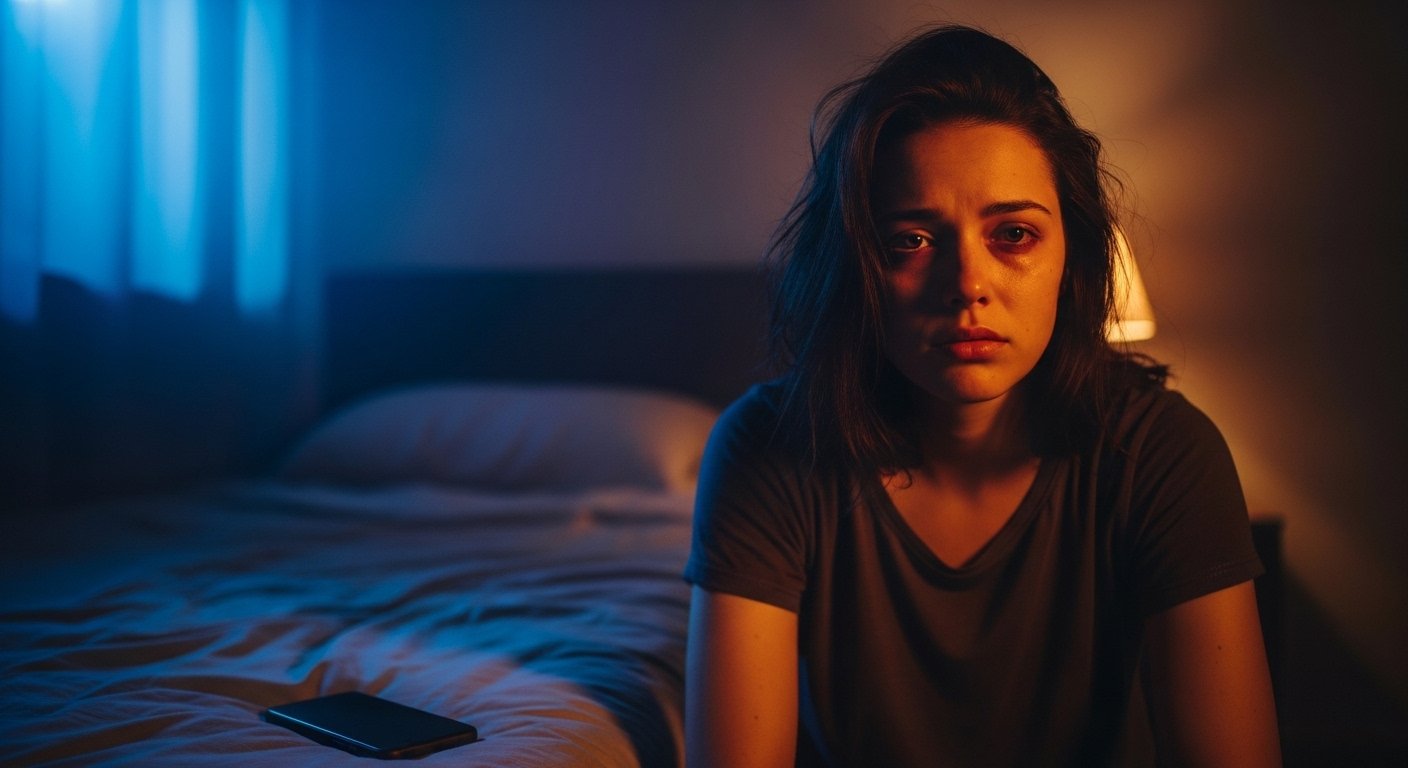
So one Thursday evening, without much ceremony, I turned off my phone.
No texts. No late night video calls. No scheduled good morning messages delivered like clockwork. I left a short note before going dark. I said I needed space to breathe and reset. I promised I was safe. I thought that was enough.
When I turned my phone back on seven days later, there were 87 missed calls.
My partner said what I had done was emotional abuse.
And weeks later, sitting across from my therapist in a quiet office, even she hesitated before choosing a side.
What Read Receipts Have Done to Love
Long distance relationships have always been difficult. A generation ago, difficulty looked like waiting for letters, budgeting for expensive phone calls, and trusting the gap between contact. Now it looks entirely different.
It looks like read receipts.
That small “seen” notification has quietly rewritten the emotional contract of modern relationships. It confirms that your message arrived. That your person is present. That you were, at minimum, acknowledged. And in doing so, it creates something that feels harmless but is not: the expectation of a response.
When someone reads your message and does not reply, the silence no longer feels neutral. It feels chosen. Deliberate. Telling.
We stopped waiting. We started analyzing.
Why did he read it at 11 p.m. but not respond? Why did she post a story twenty minutes after leaving my message on read? What does online but silent actually mean?
Distance already puts pressure on trust. Technology shortened the window in which doubt can grow.
Why I Needed to Disappear
By the time I powered down my phone, I had been living inside a relationship that existed almost entirely through a screen. And screens, I discovered, do not breathe. They only transmit.
Every missed call required an explanation. Every delayed reply invited suspicion. Even muting a notification thread for an hour felt like a small betrayal. I had become so fluent in the language of digital reassurance that I forgot what my own silence sounded like.
I told myself one week offline would remind me who I was outside of our shared notifications. That stillness would not break us. That love, real love, could survive a pause.
What I did not account for was how that pause would land on the other side.
What My Partner Felt During That Week
He told me later, in a conversation neither of us wanted to have, that the silence had not felt like rest. It had felt like freefall.
Each unanswered call chipped away at something he had been quietly building since the day we decided to try loving each other across distance. Every ring that went to voicemail became a new worst case scenario. Accidents. Indifference. Someone else. The absence of information is never truly empty. It fills itself with whatever fear is already waiting.
In long distance relationships, communication does not just maintain connection. It substitutes for it. When you cannot touch someone, you call them. When you cannot share a meal, you text through yours. Routine digital contact becomes the scaffolding that holds the whole structure up.
I removed that scaffolding without warning and walked away expecting the building to stand.
He said it felt cold. Controlling. Punishing.
He used the words emotional abuse and meant them.
The Question My Therapist Could Not Easily Answer
In therapy, the conversation moved past blame and into something more uncomfortable: patterns.
My therapist explained that emotional abuse, when it involves silence, is defined by intent and effect. Weaponized silence is silence used to manipulate, to punish, to make someone feel small and disposable. The person on the receiving end of it learns to associate quiet with danger.
I had not intended any of that.
But intention, she reminded me gently, does not cancel impact.
So the question became harder to answer. Was my week offline an act of self preservation or was it avoidance wearing the costume of a boundary? Was I protecting my nervous system or was I, without realizing it, using disappearance as a way to feel powerful in a relationship where I often felt overwhelmed?
She did not give me a clean verdict. She leaned back in her chair and said, carefully, that she understood why I needed space and she understood why he felt abandoned.
Both things were true at once. That was the part I was not ready for.
The Trap Technology Built for Us
There is something uniquely modern about finding yourself in this particular argument. A generation ago, going unreachable for a week was not a relationship crisis. It was simply Tuesday.
Now it reads as a statement.
Phones have quietly become extensions of relational obligation. Being reachable is no longer just a convenience. It is, in many relationships, a form of love language. Responsiveness signals care. Silence signals something is wrong. We have built entire emotional architectures on top of notification systems.
And so opting out, even briefly, even with good reason, does not just feel like a break. It feels like a withdrawal of love itself.
That is not healthy for either person. But it is where we are.
What We Did After
We did not break up. We did not pretend nothing had happened. We sat inside the discomfort of that week for longer than was comfortable and then, slowly, we rebuilt the terms.
Fewer unspoken rules. Clearer signals. If I need space now, I name it: I need two hours, I need a day, I will check in by evening. If he feels anxious, he says so directly instead of letting it calcify into accusation. We stopped expecting the other person to read silence correctly and started using words instead.
It is imperfect. Some days the residue of that week is still faintly there, the way a bruise lingers after the pain has gone.
But the real lesson was never about who was right.
So Who Was the Villain
Maybe no one. Maybe both of us, partially.
Maybe the real villain is the myth that love at a distance must be proven through constant availability. That silence is inherently hostile. That going dark, even briefly, even gently, is a form of punishment.
Or maybe the villain is avoidance dressed up as independence. Fear dressed up as accusation. Two people who loved each other but had never negotiated what space was allowed to look like.
Long distance relationships stretch every insecurity to its limit. They reveal how deeply we have come to depend on tiny digital confirmations to feel chosen, to feel safe, to feel real to the person we love.
I turned off my phone for a week hoping to find myself.
What I found instead were the fault lines neither of us knew were there.
In the age of read receipts, even silence is a message. The hardest part is learning to read it without assuming the worst, and loving someone enough to ask what they actually meant before deciding they meant the worst possible thing.
Key Takeaways:
- Read receipts have created invisible emotional contracts in modern relationships
- In long distance relationships communication replaces physical presence making sudden silence feel like abandonment
- The line between a boundary and emotional withdrawal is real but not always obvious
- Intent does not cancel impact and both can be true at the same time
- Healthy space in relationships requires naming the time frame not simply disappearing
- Technology has made constant availability feel like love which puts impossible pressure on both partners