I Stopped Aiming for Spotless and My Home Actually Stayed Cleaner
The night I finally let go of the idea of a perfect home, the sink was full of dishes and my phone wouldn’t stop buzzing. I had spent years scrubbing, organising, and arranging every corner, only to watch chaos quietly return the moment I turned my back.
That was the night I stopped fighting it.
The Exhausting Cycle of Chasing Perfection
For years, the routine was the same. Clean everything, feel briefly satisfied, watch it fall apart, start over with guilt. It was a loop that never ended and never actually made me feel good about my home.
The pressure to keep everything pristine was draining my time, my energy, and my mood in ways I hadn’t fully admitted to myself until I stopped.
What the Pursuit of Spotless Actually Costs You
The real price of chasing a perfect home isn’t measured in cleaning products or hours. It’s measured in the moments you miss while you’re reorganising a drawer nobody opens.
Relationships suffer. Hobbies get pushed aside. And the home you’re working so hard to maintain stops feeling like a place you actually live in.
The Decision That Changed Everything
I made a quiet decision standing in my messy kitchen. I was going to stop measuring my home against an image from a magazine and start measuring it against my actual life.
That shift sounds small. But it changed almost everything about how I experienced the space I live in every single day.
Embracing “Good Enough” Is Not Giving Up
The phrase “good enough” used to feel like an excuse. Now it feels like the most honest standard I’ve ever set for myself.
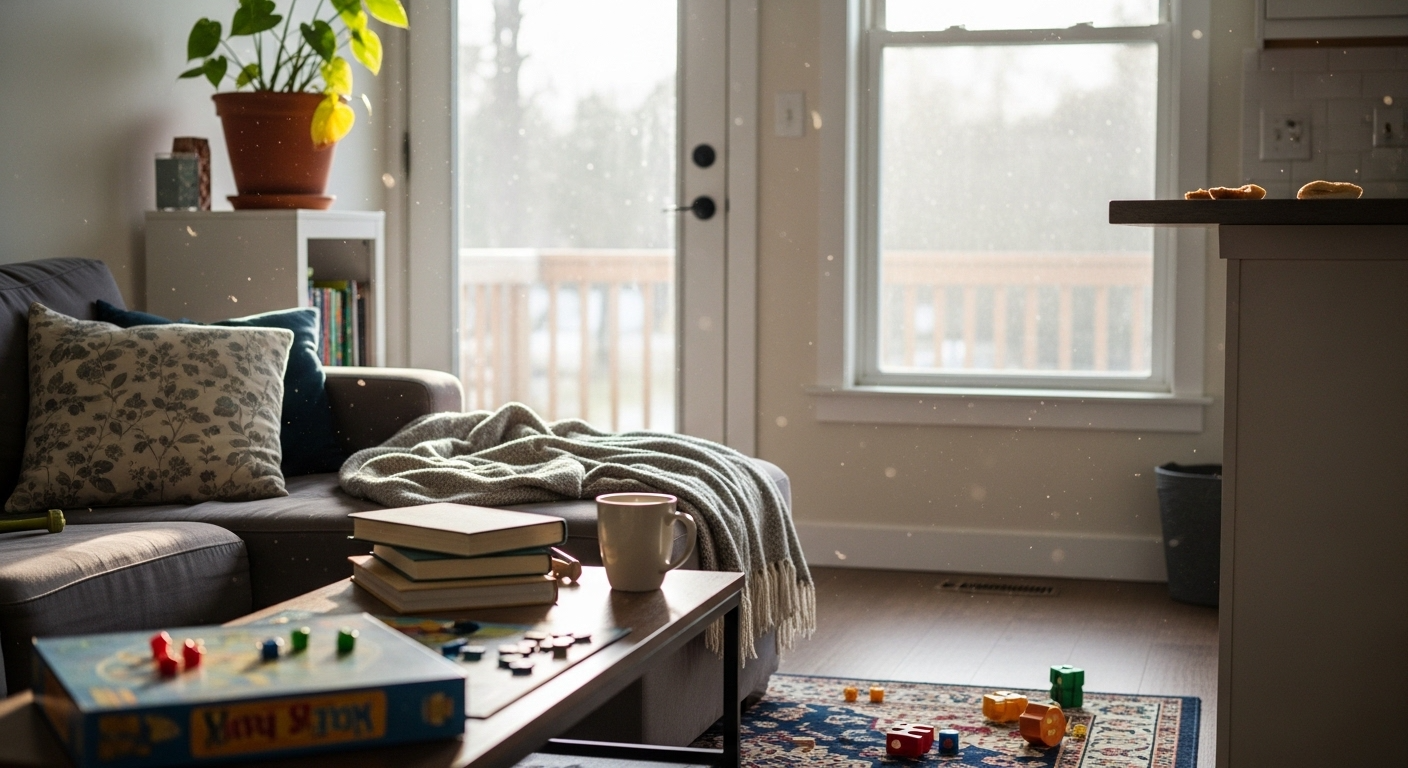
Good enough means the kitchen is clean enough to cook in. The living room is comfortable enough to sit in. The bedroom is peaceful enough to sleep in. That’s what a home is actually for.
What the Experts Say About Perfectionism at Home
“The pursuit of perfection can be the enemy of progress. By embracing a good enough standard, we can create homes that are both beautiful and livable, without sacrificing our well-being or our relationships.” — Marisa Peer, Psychotherapist and Author
“A home should be a reflection of the people who live in it, not a showpiece for everyone else. By embracing the imperfections, we can create spaces that are truly nurturing and supportive.” — Dr. Alison Chen, Psychologist and Home Decor Expert
How My Cleaning Actually Improved When I Relaxed
Here’s the part that surprised me most. When I stopped trying to clean everything perfectly, I started cleaning more consistently. The tasks felt manageable instead of overwhelming.
A ten-minute tidy became something I could actually do. Before, anything less than a full deep clean felt pointless, so I’d avoid it entirely and let things pile up.
Prioritising What Actually Matters
Not every corner of a home needs the same level of attention. The kitchen and the main living areas are where life actually happens, and keeping those functional is what makes daily life feel good.
The spare room that nobody enters for weeks? The drawer that technically works even when it’s slightly disorganised? Those stopped being emergencies the moment I gave myself permission to deprioritise them.
Old Approach vs New Approach
| Old Approach | New Approach |
|---|---|
| Constant cleaning to maintain spotless appearance | Focus on essential tasks and accept good enough |
| Anxiety and guilt about any mess or clutter | Accept that a lived-in home is completely normal |
| Prioritising appearance over comfort | Create a space that supports daily life |
| Spending excessive time maintaining perfection | Reclaim that time for people and things that matter |
| All-or-nothing cleaning sessions | Short consistent tidying that actually gets done |
The Mental Health Shift Nobody Talks About
Removing the pressure to keep everything spotless had a direct and immediate effect on my anxiety levels. I hadn’t realised how much background stress the standard was generating until it was gone.
I became more present with the people in my home. I stopped mentally cataloguing every surface that needed attention and started actually being in the room I was sitting in.
Relationships Improved Too
When your home is a project that’s never finished, the people in it become obstacles to the project rather than the point of having a home at all. That’s a terrible way to live.
Once I let go of spotless as the goal, my family and I stopped navigating around each other’s messes and started just living together more easily.
Redefining What Clean Actually Means
Clean doesn’t have to mean immaculate. It can mean functional, comfortable, and welcoming. It can mean a space that supports your life rather than competing with it for your attention.
That redefinition is not a lowering of standards. It’s a more honest and sustainable standard that you can actually maintain without sacrificing everything else you care about.
The Ripple Effect on People Around You
When I started talking about this shift with friends and family, I discovered how many people were exhausted by the same standard I had finally let go of. The relief in those conversations was immediate and obvious.
Several people told me they had been afraid to invite anyone over because their home wasn’t up to the standard they imagined was expected. That expectation, it turns out, was mostly self-imposed.
Letting Go Is a Form of Self-Care
Wellness coach Sarah Jenks puts it clearly. “Letting go of the need for perfection is a powerful act of self-care.” It’s the recognition that your wellbeing matters more than the condition of your countertops.
Choosing to live in a home rather than maintain a performance of a home is one of the quietest and most meaningful decisions you can make for yourself.
Conclusion: A Lived-In Home Is a Loved Home
The spotless home I used to chase was never really the goal. What I actually wanted was a home that felt good to be in, that supported my life and the people I share it with.
Letting go of perfection didn’t make my home messier. It made it warmer, more manageable, and more genuinely mine. And that turned out to be exactly what I was looking for all along.
Read more: https://wizemind.com.au/
Frequently Asked Questions
What does a good enough approach to homemaking actually look like? It means focusing on the areas and tasks that directly affect your daily comfort and functionality, keeping the kitchen ready for cooking, the living space comfortable, and the bedroom restful, while releasing the pressure to maintain every corner at a magazine-worthy standard.
Will my home actually get messier if I stop chasing perfection? Most people find the opposite happens. When cleaning feels manageable rather than overwhelming, short consistent sessions replace the all-or-nothing approach that leads to avoidance and pile-up.
How do I handle guests coming over if my home isn’t spotless? Do a focused tidy of the spaces your guests will actually use and let go of the rest. The people coming to see you are there for you, not for an inspection of your storage drawers.
What if I genuinely feel anxious when my home is messy? Start by identifying which specific areas matter most to your sense of calm and prioritise those. Over time, practising tolerance for minor disorder in lower-priority areas helps reduce the overall anxiety response.
How do I get my family on board with a more relaxed standard? Talk openly about the change and involve everyone in the essential tasks. Modelling the approach yourself and explaining why it matters tends to be more effective than trying to impose a new system all at once.
What is the first step to letting go of the spotless standard? Identify one area of your home where the standard you’ve been holding yourself to doesn’t actually affect your daily life, and consciously decide to lower it. That first small permission tends to make the others easier.
Is this approach suitable for people with children or pets? It’s especially well-suited to those situations. Homes with children and pets are by nature lived-in and dynamic. Accepting that reality rather than fighting it tends to reduce stress dramatically for everyone involved.
Key Points
- Chasing a spotless home creates a cycle of cleaning, guilt, and anxiety that never actually resolves
- The real cost of perfectionism in homemaking is time, energy, and presence that could go toward people and experiences
- A good enough standard means functional, comfortable, and welcoming rather than immaculate
- Letting go of perfection often leads to more consistent cleaning because tasks feel manageable
- Prioritising high-impact areas like the kitchen and living space makes the biggest practical difference
- Mental health improves noticeably when the pressure to maintain a spotless home is removed
- Relationships improve when your home stops being a project and becomes a place to actually live
- Short consistent tidying sessions are more effective than infrequent all-or-nothing deep cleans
- The spotless standard most people hold themselves to is largely self-imposed rather than externally required
- Redefining clean as supportive and functional is not lowering standards but setting honest ones
- Guests care far more about feeling welcome than about the condition of areas they never see
- Letting go of perfection in your home is a recognised and meaningful act of self-care
- Many people avoid inviting others over due to imagined expectations that those guests don’t actually hold
- A lived-in home reflects a life being genuinely lived rather than a performance being maintained
- The goal of a home is to support the people in it, not to compete with their time and energy for attention