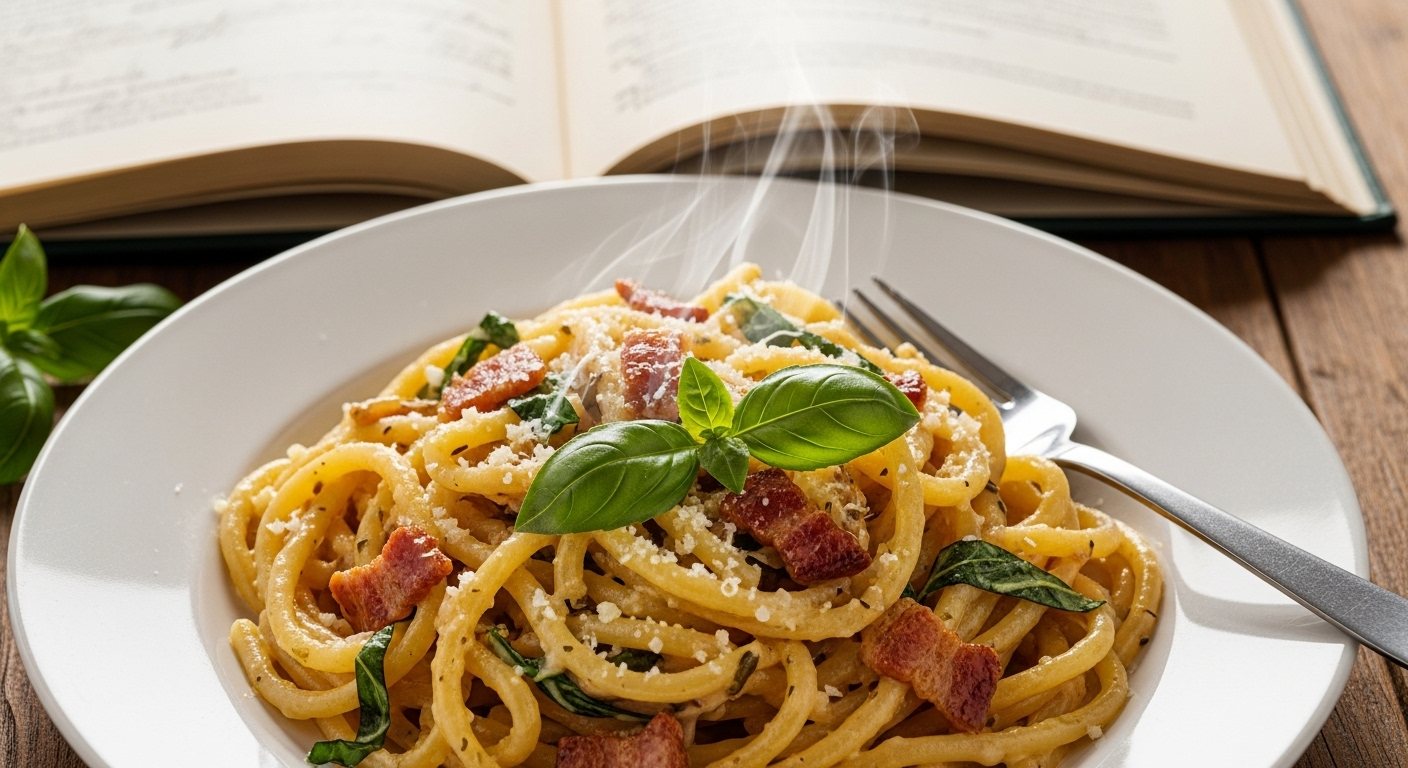
“I Learned This Pasta Recipe the Hard Way, and Now I Never Make It Differently”
The first time I tried to make this pasta, I nearly set my kitchen on fire. Twice. The smoke alarm screamed, the sauce split into an oily curdled mess, and the spaghetti clumped together like a nervous breakdown in a colander. I ate toast that night, standing over the sink, staring at the wreckage of what was supposed to be a simple weeknight dinner. It was anything but simple. But that disaster of an evening is exactly why, today, I make this pasta with the kind of quiet confidence that only comes from failing spectacularly first.
Key Points
- The most common mistake when making garlic pasta is cooking the garlic too fast on high heat
- Salting your pasta water generously is not optional — it seasons the pasta from the inside out
- Always save at least a mugful of pasta water before draining — it turns oil and cheese into a silky sauce
- Turn off the heat completely before adding Parmesan or the cheese will seize and go grainy
- Start garlic in cold oil and bring the heat up slowly so it turns golden, not bitter
- Pasta should go directly from the pot into the pan, not sit and dry out in a colander
- A squeeze of lemon at the end lifts the whole dish and makes everything taste more alive
The Night Everything Went Wrong
It started as one of those evenings where you convince yourself you are the kind of person who whips up pasta after a long day. I had seen a recipe online — just a few ingredients: pasta, garlic, olive oil, chili, a bit of lemon, and Parmesan. Easy, I thought. I skimmed the instructions, told myself I could wing it, and turned up a podcast too loud to hear the quiet warnings of common sense.
The water took forever to boil so I cranked the heat and shoved a lid on the pot. While that was raging away, I dumped a generous pour of olive oil into a cold pan, threw in minced garlic, and turned the gas to high. Multitasking. Look at me. Real cook.
Then the first thing went wrong.
The garlic went from pale to fragrant to scorched in about thirty seconds. One moment it was whispering in the pan. The next it was shouting in bitter brown. A sharp acrid smell cut through the kitchen and the smoke alarm burst into hysterics. I flung open windows and waved a tea towel at the ceiling like I was signaling a helicopter, cursing the recipe, the stove, the internet, and my own overconfidence in equal measure.
I should have stopped. Tossed the burnt oil. Started over. But I had already used my good olive oil and something in me refused to waste it. So I kept going. I added chili flakes, squeezed in lemon juice, and stirred frantically. When the pasta finally cooked I drained it badly — too long in the colander — and it stuck together like wet rope. I hurled it into the pan, shook over a handful of pre-grated cheese, and watched the sauce separate into greasy puddles and grainy clumps.
The first bite was a full body insult. Bitter from burnt garlic, gritty from cheap cheese, oily and somehow still dry at the same time. I stared at the bowl, then at the dirty pans, then at the sink. Then I put the whole thing in the bin. Dinner that night was marmalade on toast and the humbling taste of my own impatience.
The Quiet Lesson Hidden in the Failure
I did not try that recipe again for weeks. Every time I boiled water after that, I remembered the smell of burnt garlic and the strange sadness of throwing away an entire pan of food. But something about the failure lingered — not as shame, but as a nudge. The recipe itself was not bad. The ingredients were good. The problem had been me: rushing, guessing, not paying attention.
So one Sunday afternoon, when the house was quiet and I had no schedule to fight with, I pulled up the recipe again. This time I read it slowly, the way you would read a letter from someone you actually care about. I noticed the details I had blown past the first time.
Warm the oil gently. Garlic should just barely color, not brown. Reserve some pasta water. Turn off the heat before adding cheese.
It sounded less like a list and more like advice. Gentle. Patient. Precise. I realized the recipe was not asking me to show off. It was asking me to pay attention — to heat, to timing, to the small transformations happening in the pan. That afternoon I promised myself two things: I would follow the recipe exactly once, and I would cook without any distractions. No phone. No podcast. Just the sound of water coming to a boil and the subtle shifts in the pan.
That decision changed everything.
Learning to Listen to the Pan
The first thing I did differently was salt the water properly. The recipe said it should taste like the sea. I always thought that was poetic exaggeration. It is not. It is science and mercy. I stirred in salt until the water tasted not just salty but seasoned — like something that wanted to be part of a dish, not just the background.
While the water heated I peeled a few cloves of garlic and sliced them as thin as I could manage, almost transparent in places. Not minced. Not smashed. Sliced. This matters more than I had realized. Sliced garlic cooks slower, releases its flavor more gently, and gives you time to notice what is happening before it tips over the edge.
I poured a modest amount of good olive oil into a cold pan and added the garlic before turning on the heat. Low to medium, nothing dramatic. The oil slowly grew warm and the garlic loosened from raw white to an almost golden blush. When the kitchen smelled like the inside of a good Italian restaurant — soft, nutty, not sharp — that was when I added a pinch of chili flakes. They bloomed in the oil, releasing warmth into aroma rather than just heat. The pan hissed lightly, conversationally. Not screaming, not smoking.
Meanwhile the pasta slid into the rolling boil and I set a timer, but I also tasted as it cooked. Firm, then yielding, then that perfect place in between that makes al dente feel like a small miracle. Just before the pasta was done I dipped a mug into the pot and saved some of the cloudy starchy water. This was the second thing I had ignored completely the first time. Pasta water, they say, is liquid gold. I used to roll my eyes at that. It is water. It is cloudy. But when I poured a little of it into the pan of garlic and oil, I understood immediately. The starch turned the oil from a shiny slick into something with body — an emulsion in the making. The pan stayed calm, like a conversation that was not going to spiral out of control.
The Moment Everything Comes Together
When the pasta was just shy of done I scooped it straight from the pot into the pan, bringing a little of the boiling water with it. No draining, no drying out in the colander. Just a messy tangle of hot noodles landing in hot oil. I tossed them together, shaking the pan, coaxing every strand to coat itself in garlic and chili and shimmering gold.
I turned off the heat before the cheese came anywhere near the pan. The first time I had scattered cold cheese into raging oil and watched it seize into gritty clumps. This time I waited. The pasta rested for a few seconds, steam rising gently. Then, little by little, I added the finely grated Parmesan, tossing constantly, folding it in rather than dumping it all at once.
The cheese melted slowly, lending richness without taking over. The starch from the pasta water, the fat from the olive oil, and the protein in the cheese linked arms and turned into a silk-thin sauce that clung to each noodle. It was not saucy the way a tomato sauce is. It was more like a soft velvety coating that turned every bite into a small, precise pleasure.
A squeeze of lemon at the end brightened everything, followed by a grind of black pepper and a final small splash of pasta water to loosen it into that perfect glossy sheen. I tasted a forkful straight from the pan, standing barefoot on the cool kitchen tiles.
It was balanced, bold but gentle, rich without being heavy. I could taste the garlic without flinching. The chili warmed my throat without burning. The lemon made the whole thing feel alive. It was better than anything I had ever made with so few ingredients. And I realized something that still stays with me: this was not a simple recipe. It was a precise one. The magic was not in the ingredients — it was in the order, the heat, and the way you listen as things change in the pan.
My Non-Negotiable Rules Now
Since that afternoon I have made this pasta more times than I can count. For myself on tired evenings. For friends who come over for a quick bite. For late nights when the world feels too loud and I need something reliable and warm. A few rules have become fixed, learned the hard way and then confirmed the delicious way.
Salt your water until it genuinely tastes like gentle seawater. It seasons the pasta from the inside out and no amount of salt added later will replicate that.
Start the garlic in cold oil and bring the heat up slowly. You are waiting for a soft golden color and a mellow, nutty smell — not brown edges and a sharp bitter sting.
Save the pasta water before you do anything else. One full mug, minimum. It is the thing that pulls the whole sauce together and it is gone the moment you tip the pot into the sink.
Move the pasta straight from the pot into the pan. No colander sitting on the counter, no noodles drying out and sticking together. Straight in, with a little of the water coming along for the ride.
Turn off the heat before the cheese goes in. Every single time, without exception. The residual warmth is enough. The direct heat is too much.
Finish with lemon, black pepper, and a small splash of pasta water to loosen if needed. Taste before you serve. Adjust. The last thirty seconds matter as much as everything that came before.
Why I Never Make It Any Other Way
Every time I make this pasta now, I remember that first ruined attempt. The sharp sting of waste, the embarrassment of a simple recipe that turned out not to be simple at all. But I also remember that quiet Sunday when I tried again with less ego and more attention, and discovered how much beauty there is in repetition done well.
I have seen fancier versions since. Some add anchovies, others swirl in butter, some finish with toasted breadcrumbs. They all sound wonderful. But there is something about the version I learned the hard way that feels untouchable now. The steps are stitched to a memory — the smell of burnt garlic replaced over time with the soft mellow aroma of getting it right.
The way I make it now is not just about flavor. It is about what it reminds me of: that most of the things worth knowing in the kitchen come from doing them wrong before you do them right. From reading a little more carefully. From noticing what changes with time and heat and patience. From being willing to stand in front of a pan and actually pay attention instead of racing toward the finish line.
So I keep making this pasta the same way. Every time I twist those glossy strands around my fork and take that first bite, I think to myself: I am glad I burned it once. I am glad I wrecked the sauce. I am glad I had to earn this. Because now, this pasta is not just dinner. It is a reminder that nearly everything we love deeply, we have probably failed at first.
Frequently Asked Questions
Can I use any type of pasta for this recipe?
Long shapes like spaghetti, linguine, or bucatini work best. They tangle beautifully with the oil, garlic, and cheese and give you that silky coated bite. Short shapes can work too but you may need a little more pasta water to help the sauce cling properly.
What kind of olive oil should I use?
A decent extra-virgin olive oil with a flavor you actually enjoy on its own. It does not have to be the most expensive bottle, but since the oil is one of the main ingredients, a flat or harsh oil will be noticeable. If your oil is very peppery, balance it with a little more cheese and lemon.
How do I stop the garlic from burning?
Start it in cold oil, keep the heat low to medium, and stay close to the pan. Stir often. As soon as the garlic turns a light even gold and smells mellow and sweet, move to the next step or turn the heat down. If it turns dark brown or smells sharp and acrid, start over. Bitter garlic cannot be fixed once it is in the dish.
Why did my sauce turn oily and separate?
Usually this happens when the pan is too hot when the cheese goes in, or when there is not enough starchy pasta water to help everything emulsify. Turn the heat off before adding cheese, add it gradually rather than all at once, and toss continuously. If it looks too greasy, add a small splash of warm pasta water and keep tossing until it comes back together.
Can I make this without cheese?
You can, and it becomes a purer garlic and oil pasta — lighter and less creamy but still deeply satisfying if the seasoning and heat are right. Lean into great olive oil, good garlic, chili, and a generous squeeze of lemon to compensate for the richness the cheese would have added.
Read more health and wellness articles at wizemind.com.au