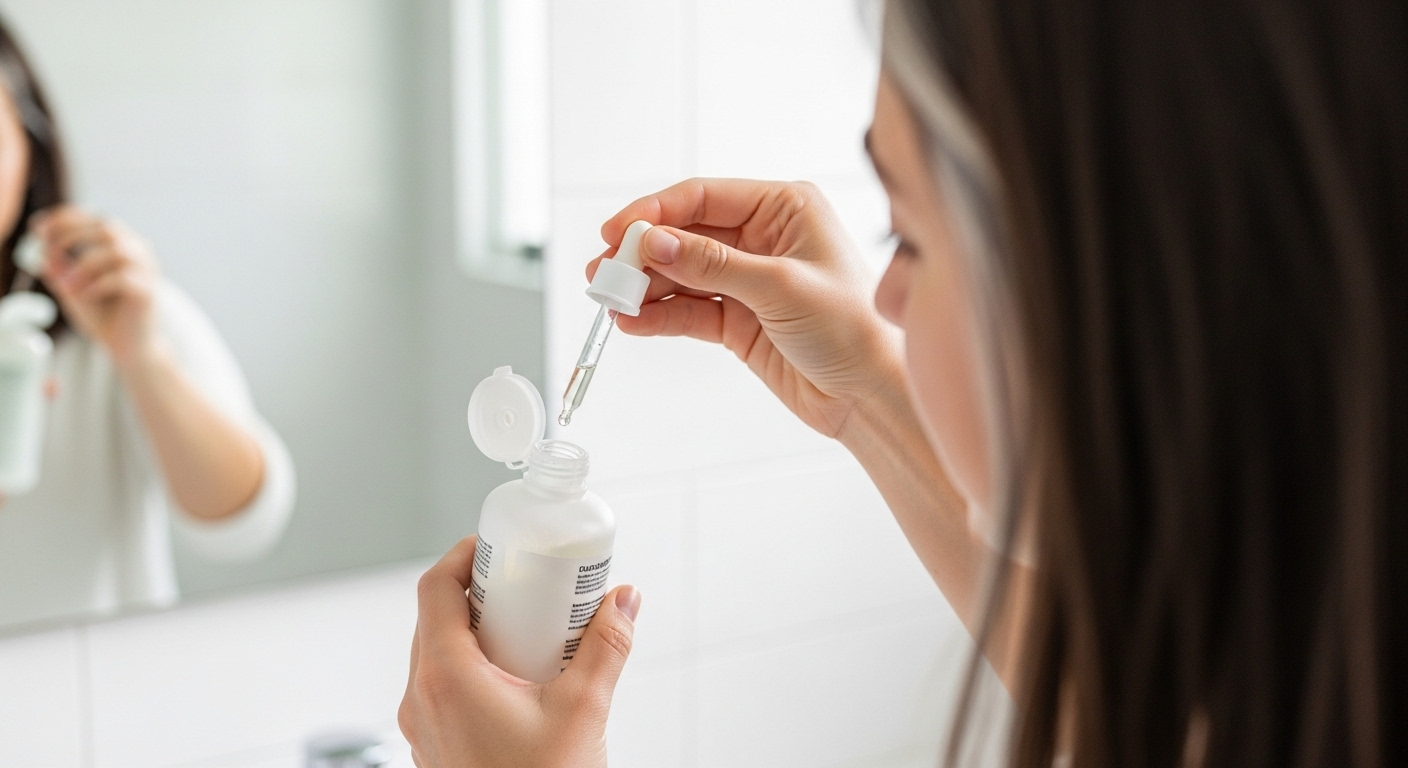
Goodbye to Grey Hair: The Simple Trick to Add to Your Shampoo That Slowly Darkens and Revives Your Hair
The first silver strand always catches you off guard. Maybe it glints in the bathroom mirror as you pull your hair back. Maybe it appears right at the front, cutting through your usual color like a small announcement you were not ready to receive. You lean in, pull it between your fingers, and for a second everything goes quiet. When did that get there?
Grey hair is not a crisis. For many people it is elegant, even striking. But not everyone is ready for it right away, and that is completely fair. The problem is that the usual alternative, box dyes and salon appointments, comes with its own exhaustion. Chemical fumes, stained ears, the endless cycle of roots appearing two weeks after your last touch-up.
So the question starts to form somewhere under the shower steam: is there a gentler way?
There is. And it has been sitting in your kitchen the whole time.
What Actually Happens When Hair Turns Grey
Each hair strand gets its color from pigment-producing cells called melanocytes. When you are young, these cells work consistently, coloring every new strand as it grows. Over time, due to genetics, stress, and natural biology, those cells slow down and eventually stop producing pigment altogether.
Hair that grows without pigment is white. When it mixes with pigmented strands, it reads to our eyes as grey. The hair has not been bleached by time. It simply grows in without color from the root.
Chemical dyes work by forcing artificial pigment deep into the hair shaft, usually with the help of ammonia or peroxide. They work, but they are not gentle on the hair or on the person standing in the fumes.
The trick of adding a darkening ingredient to your shampoo works differently. Instead of forcing color in, you are gradually building a soft layer of natural stain on the outer surface of each strand, wash after wash, like slowly restoring the finish on old wood. The result is subtle, gradual, and surprisingly convincing.
The Ingredient You Already Have at Home
The hero of this method is black tea.
Strong black tea has been used across cultures for generations as a natural rinse to deepen and enrich dark hair. It is packed with tannins, the slightly bitter compounds that give a strong brew its sharp edge. Those same tannins cling to the outer layer of the hair shaft and stain it softly over time.
Black tea works especially well on brown, dark blonde, and black hair, and on grey strands you want to blend rather than aggressively cover. It adds warmth to ashy tones, gives dull hair a richer appearance, and does all of this without a single harsh chemical in sight.
It will not turn white hair jet black overnight. What it does is shift silver strands toward a softer, smokier tone and help scattered greys blend far less obviously with the rest of your hair.
How to Make Your Tea-Infused Shampoo
This is less of a project and more of a small ritual. It takes about half an hour to prepare, and then it simply becomes part of how you wash your hair.
Step 1: Brew the tea strong
Boil one cup of water and steep three to four black tea bags, or three to four teaspoons of loose leaf tea, for at least twenty to thirty minutes. You want the liquid very dark, far stronger than anything you would drink. Let it cool completely before using it.
Step 2: Mix it into your shampoo
Pour some of your regular shampoo into a clean bottle, leaving room for liquid. Add the cooled tea slowly, shaking gently as you go. A good starting ratio is two parts shampoo to one part tea. The shampoo should still lather properly. If it feels too thin, add more shampoo. If the color looks too pale, add more tea. Use a gentle, moisturising shampoo rather than a clarifying one, since clarifying formulas can strip away the color buildup you are working to create.
Step 3: Change one thing about how you wash
Apply your tea-infused shampoo as you normally would, massaging it into your scalp and working it through your lengths. Then instead of rinsing immediately, leave it on for three to five minutes before washing it out. That small pause is what allows the tannins to start doing their work.
No gloves, no stained towels, no sharp smell. Just a slightly slower, more intentional wash.
What Kind of Results Should You Expect
This is not a one-wash transformation. It is more like watching the light shift at the end of the afternoon. So gradual you might not notice until one day your hair in the mirror simply looks different. Richer. Less sharp at the temples. More like you remember it.
With three to four washes a week, most people start noticing softer, less stark grey after about a week. After two to three weeks, the overall tone of the hair begins to deepen and the contrast between grey and colored strands starts to ease. After a month or more, many people find their grey patches look more like natural highlights than obvious signs of aging.
The effect depends on how porous your hair is, how strong you brew the tea, and how often you wash. Dry or damaged hair tends to absorb plant pigments more readily. Darker hair sees subtle deepening and shine. Lighter or more heavily greyed hair sees more visible change.
The most common thing people hear from others is not “did you dye your hair” but rather “your hair looks really healthy lately, did you change something.”
Boosters You Can Add Over Time
Once you are comfortable with the basic method, there are a few natural additions that can deepen the results.
Brewed coffee or a spoonful of instant coffee mixed into the tea concentrate adds a warm brown tone. Sage or rosemary, simmered in water for twenty minutes and strained, can be combined with your black tea for an herbal boost that also supports scalp health. A few drops of rosemary essential oil added to your shampoo bottle adds a grounding scent and supports circulation at the scalp, though it contributes nothing to color.
None of these are necessary. The black tea alone is enough to get started and to see real results.
Taking Care of Hair That Is Changing
Grey hair is not just different in color. It is often drier, coarser, and more prone to frizz. While the tea works quietly on tone, your hair will also benefit from a nourishing conditioner used after each wash, reduced heat styling where possible, and enough protein, iron, and B vitamins in your diet to support healthy growth from the root.
Even spending an extra minute massaging your scalp while shampooing makes a difference, both for circulation and for how grounding the whole ritual feels.
Why This Feels Different from Dyeing
There is a particular kind of relief in knowing your bathroom is not about to turn into a makeshift salon. No stained tiles, no careful timing, no panic about uneven coverage at the back of your head. Just hot water, tea, steam, and a bottle that is now a little smarter than it used to be.
Something else happens over time too. While the grey softens and the color deepens, your relationship with what you see in the mirror shifts quietly. You are not making a sudden sharp change. You are blending, softening, choosing the middle path between ignoring what is happening and being at war with it.
This trick does not promise you the hair you had at twenty. It promises that the hair you have today will look like it has been paid attention to. Cared for. And that care shows in ways that are hard to put into words but easy to feel.
FAQ
Does black tea shampoo actually reverse grey hair? No. It does not restart pigment cells or reverse greying at the root. It stains the outer surface of the hair shaft, making grey and faded strands look darker and better blended over repeated use.
How often do I need to use it to see results? Three to four washes a week gives most people noticeable gradual change. Consistency matters more than frequency.
Will it work on very dark hair? Yes, though the effect is subtler. On dark hair it tends to deepen shine and soften scattered greys rather than dramatically changing the overall color.
Can it stain my skin or bathroom surfaces? The tea in the shampoo is diluted enough that staining is not usually an issue. Any slight tint on skin washes off easily with soap and water.
What if my hair feels dry after using it? Black tea can be mildly astringent. Follow with a moisturising conditioner, try brewing the tea slightly weaker, or reduce how often you use the infused shampoo.
Will the color fade if I stop using it? Yes. The darkening from tea is not permanent. As you return to regular shampoo, the stain gradually washes out over time.
How long can I store the mixture? Make smaller batches and use them within two to three weeks. Keep the bottle in a cool, dry place with the lid closed tightly between uses.