Gnocchi Made From Brewery Waste: The Food Upcycling Revolution Changing How We Think About Ingredients
Picture picking up a small packet of gnocchi at your local organic market and turning it over to read the ingredients — only to find that the pasta in your hands was made from brewery waste. It sounds like a quirky experiment. But this is a real product, created by two young entrepreneurs who spotted value where everyone else saw rubbish, and it is quietly becoming one of the most talked-about stories in sustainable food right now.
Where the Idea Came From
Every time a brewery produces beer, it generates a significant volume of spent grain — the leftover barley and wheat malt after the sugars have been extracted during brewing. Most of it ends up as animal feed or simply disposed of. Nutritionally, however, spent grain is far from worthless. It is rich in fibre, protein, and minerals that the brewing process leaves largely intact.
The founders of this gnocchi brand saw what others were discarding and asked a different question: what if this became food?
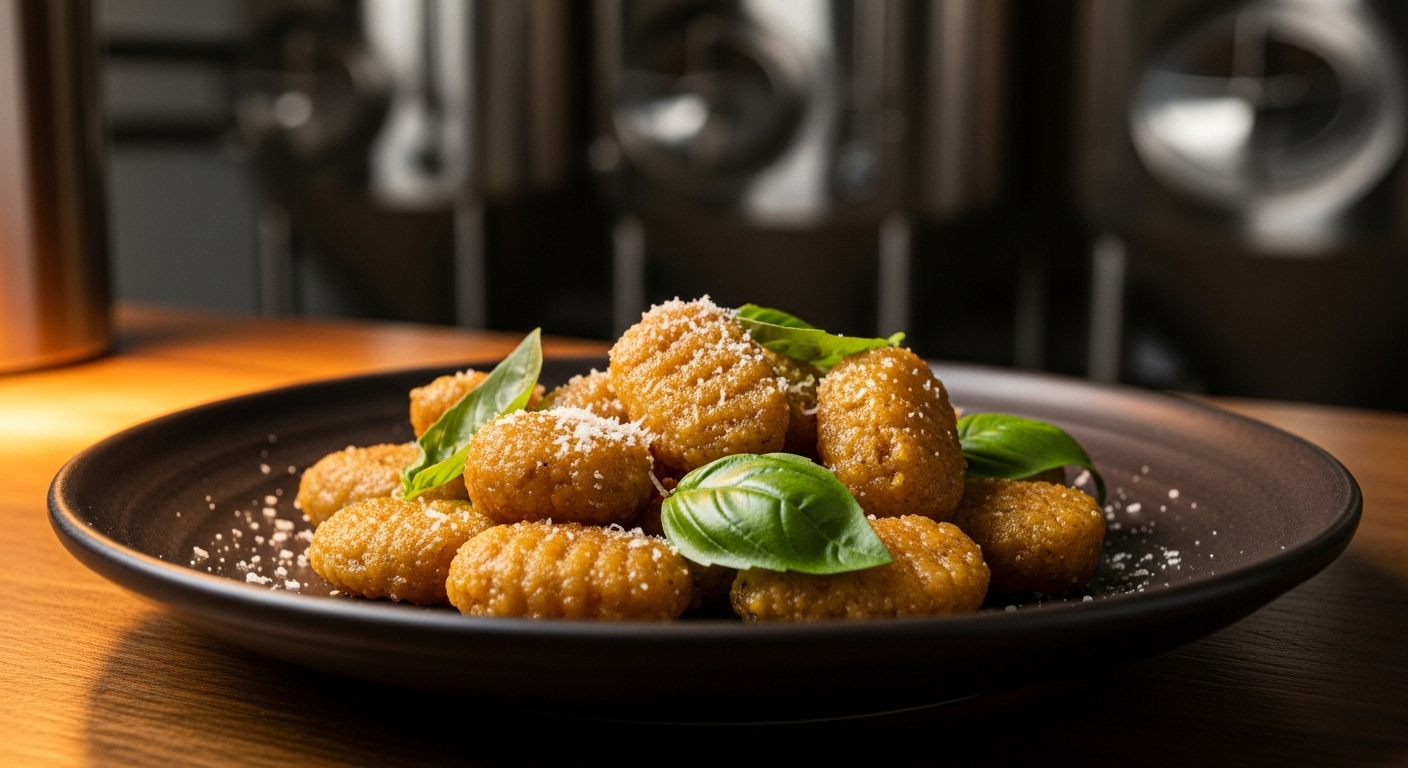
By developing a recipe that incorporates spent grain into traditional gnocchi dough, they created a pasta that is visually distinct — slightly darker and more textured than standard gnocchi — with a subtle, earthy flavour profile that sets it apart on the plate. The result is a product that reduces waste at the source, adds genuine nutritional value, and tastes genuinely good. That combination is rare enough to be worth paying attention to.
Upcycling versus Recycling: Why the Distinction Matters
These terms get used interchangeably, but they describe meaningfully different processes — and understanding the difference helps explain why food upcycling is generating serious commercial and environmental interest.
Recycling breaks a material down and reconstitutes it into something of similar or lower value. Paper recycled into new paper. Glass melted down and reformed. The end product is roughly equivalent to the starting material.
Upcycling takes a discarded or low-value material and transforms it into something of higher quality or greater value than the original. Spent grain that would otherwise be animal feed becoming a premium artisan pasta product is upcycling. The transformation adds value rather than simply processing waste back into a functional state.
This distinction matters commercially because upcycled products can command higher prices than the raw waste material — which means there is genuine economic incentive for businesses to invest in upcycling processes, not just environmental goodwill.
The Nutritional Case for Spent Grain Gnocchi
Traditional gnocchi is primarily potato and flour — filling and satisfying, but not particularly nutritionally dense. Adding spent grain changes that profile meaningfully.
Spent grain contributes:
- Higher fibre content than standard gnocchi — supporting digestive health and satiety
- Increased protein from the residual grain — making the pasta more balanced as a meal
- B vitamins and minerals that survive the brewing process intact
- A lower glycaemic impact than standard white-flour pasta
For consumers who enjoy pasta but are conscious of nutritional quality, spent grain gnocchi offers a genuinely different product — not just a sustainability story, but a nutritionally improved one.
Safety, Regulation, and Consumer Trust
Any new food product built on unconventional ingredients faces an immediate credibility question: is it safe? The team behind this product has addressed that directly rather than hoping consumers simply trust the concept.
Development involved close collaboration with food safety experts and regulatory bodies to verify that the spent grain being used meets food-grade standards throughout the process — from brewery to kitchen. Spent grain used in this context is sourced from brewing operations that maintain hygiene standards consistent with food production, not just agricultural byproduct handling.
The team’s transparency about this process is itself a strategic choice. Consumer trust in novel food products is earned through openness, not assumed. By making the sourcing and safety process visible rather than obscuring the unconventional ingredient, they have built credibility with exactly the kind of consumer — sustainability-conscious, food-literate — who is most likely to buy the product.
Why This Moment Is the Right Time for Food Upcycling
Food waste is one of the most significant contributors to global greenhouse gas emissions. Roughly one third of all food produced globally is lost or wasted — and the environmental cost of producing that food, from land use to water consumption to transport emissions, is incurred regardless of whether anyone eats it.
Consumer awareness of this problem has shifted considerably in recent years. Sustainability is no longer a niche concern — it is a mainstream purchasing consideration, particularly among younger consumers who are actively looking for products that align with environmental values.
At the same time, the food industry is under increasing pressure from both regulators and investors to reduce waste and demonstrate responsible sourcing. Upcycling sits at the intersection of those pressures — it reduces waste, creates value, and generates the kind of story that resonates with consumers and media alike.
The spent grain gnocchi is an early, visible example of what is likely to become a much broader category. Bread made from surplus vegetable pulp. Snacks made from fruit and vegetable peels. Protein products made from byproducts of cheese or yoghurt production. The ingredient possibilities are extensive once the framework for thinking about waste as raw material takes hold.
Where the Product Is Available
Currently, the gnocchi is sold through select organic and specialty food retailers as well as through the brand’s own online ordering platform. Distribution is deliberately focused on channels where the target consumer — engaged with food provenance and sustainability — is most likely to be shopping.
Expansion is planned as production scales. The limiting factor at this stage is not demand but supply chain consistency — ensuring a reliable flow of food-grade spent grain from brewing partners while maintaining quality standards.
What Comes Next for the Brand
The founders are clear that spent grain gnocchi is the beginning of a broader vision rather than a single product. They see the potential to work with other industries that generate food-grade byproducts — juice production, dairy processing, coffee roasting — and develop products that turn those waste streams into premium food items.
The model works commercially because upcycled ingredients typically cost less than virgin raw materials, allowing quality products to be made at competitive price points while the sustainability story supports premium positioning. That economic logic is attractive to investors and is driving genuine interest from larger food businesses watching the upcycling category develop.
FAQs
Q: What is food upcycling? A: It is the process of taking food waste or byproducts and transforming them into new products of higher quality or value — going beyond recycling to genuinely upgrade the material.
Q: Is it safe to eat food made from brewery waste? A: Yes — the spent grain used in this product is food-grade, sourced under hygiene standards consistent with food production, and has been verified by food safety experts and regulatory bodies.
Q: Does the beer flavour come through in the gnocchi? A: The spent grain adds a subtle, earthy depth of flavour rather than a beer taste — the fermentation sugars have already been extracted during brewing, leaving the grain’s natural flavour behind.
Q: Where can I buy spent grain gnocchi? A: Currently available in select organic and specialty food stores and through the brand’s online platform — distribution is expanding as production scales.
Q: How is this different from regular gnocchi nutritionally? A: The addition of spent grain increases fibre and protein content while reducing the glycaemic impact compared to standard potato and white flour gnocchi.
Q: Can other industries use the same upcycling approach? A: Yes — juice production, dairy processing, coffee roasting, and many other food industries generate byproducts with genuine nutritional value that could be upcycled into food products using similar principles.
This article is for general informational purposes only. Product availability may vary by location. Always check ingredient and allergen information before purchasing food products.