Fine Hair After 60: The Best Haircut for Adding Volume, According to Hairdressers
There comes a morning when you look in the mirror and notice something has quietly changed. Your hair feels softer, a little thinner, and styles that used to last all day now fall flat before noon. If you are over 60 and dealing with fine hair, you are not imagining it.
Hormonal changes, medications, and the natural ageing process all affect hair texture and density. The good news? The right haircut can make a world of difference, and hairdressers across Australia agree on one clear winner.
The Haircut That Actually Works: The Soft Bob
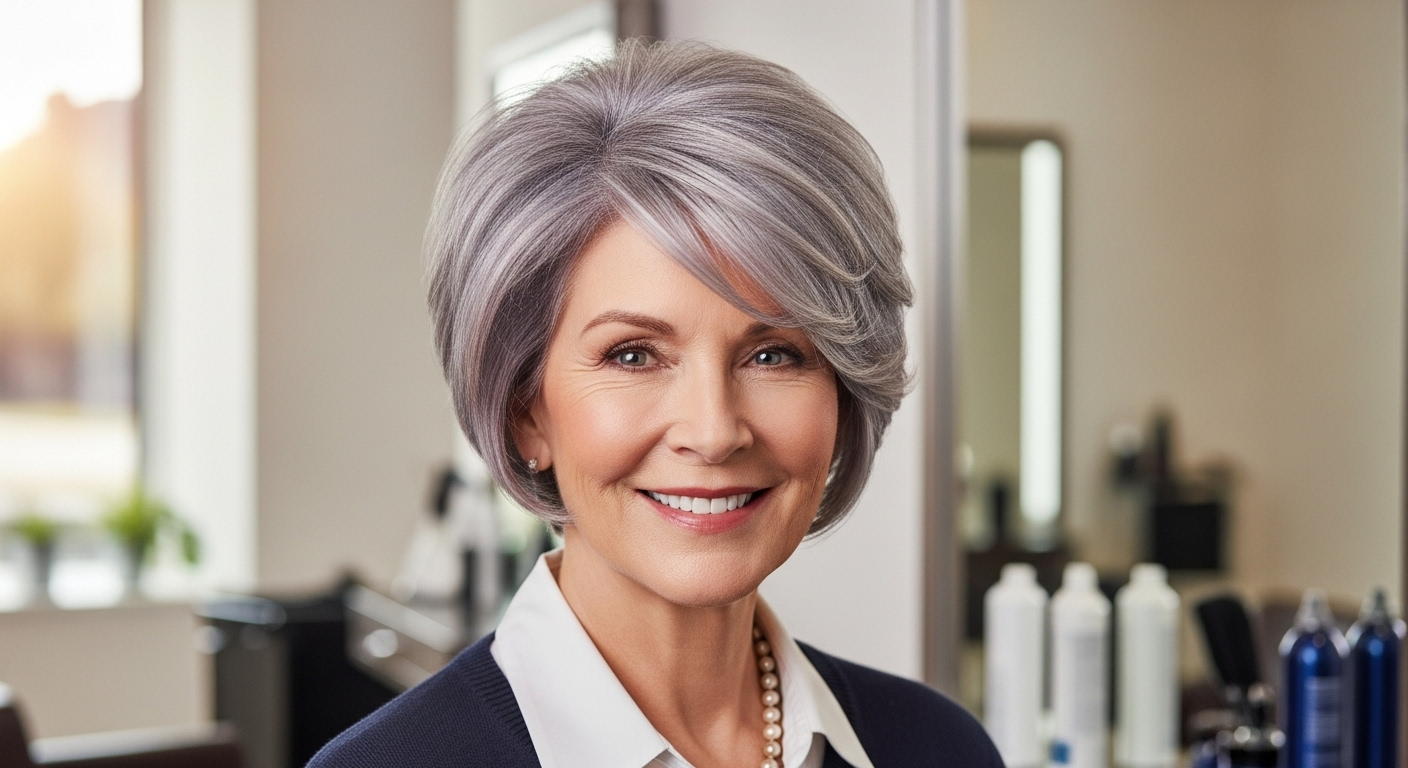
Experienced hairdressers consistently recommend a structured, softly layered bob sitting between the jaw and the collarbone for women over 60 with fine hair. This is not a harsh or severe look. It is a tailored, everyday cut designed to make your hair feel fuller without looking overdone.
The reason it works so well comes down to one simple idea. Long fine hair spreads the same amount of hair over a larger surface, which makes the scalp more visible and the hair look sparse. A shorter bob brings all that hair together into a tighter frame, giving it instant body and a stronger outline
Key Benefits of a Bob for Fine Hair After 60
Here are the main reasons hairdressers keep recommending this cut:
- Shorter length concentrates the hair, making it appear thicker and fuller
- Blunt ends create a solid, healthy-looking base rather than wispy tips
- A slightly angled shape draws the eye upward toward the cheekbones
- Less hair means quicker drying time and an easier morning routine
- The style holds its shape throughout the day without needing constant product
Should You Go For Layers or Keep It Blunt?
Many women with fine hair are nervous about layers, and that is understandable. Heavy layering on fine hair can leave it looking shredded and flat. However, the kind of layering that works here is very different.
Hairdressers use soft, invisible layers placed through the interior of the hair, not cut into the ends. These layers create tiny pockets of lift and movement without weakening the outline. The bottom of the bob stays full and blunt, while the top has just enough lightness to sit away from the scalp.
A stacked back is another technique worth asking about. This is where the hair at the nape is cut slightly shorter and builds in length as it moves up the back of the head, creating a natural lift right where women often notice the most flatness.
Is a Fringe Worth Considering After 60?
A fringe is not essential, but hairdressers often suggest a soft, wispy option for women over 60 with fine hair. A thick, straight fringe from the past is very different from the light, blended fringe that works today.
A curtain fringe or long side-swept fringe can soften the forehead, bring attention to the eyes, and add the appearance of fullness around the temples where hair often thins with age. The key is keeping it light and low-maintenance, something that blends naturally into the rest of the bob without needing daily styling effort.
What to Say at Your Next Salon Appointment
Walking in with clear language helps your hairdresser deliver exactly what you need. Try phrases like:
- “I want more volume without it looking choppy or layered too heavily”
- “Please keep the ends blunt but add invisible layers inside for lift”
- “I would like the length somewhere between my jaw and collarbone”
- “Styling needs to be quick and easy for me”
- “I am open to a soft fringe if you think it would add fullness around my face”
Bringing a few photos is also helpful, not to copy a look exactly, but to communicate the kind of movement and volume you find realistic and appealing.
Simple Styling Tips to Keep the Volume Going at Home
Once you have the right cut, keeping it looking full at home does not need to be complicated.
- Use a lightweight volumizing mousse worked into damp roots before drying
- Tip your head forward while rough-drying to build lift at the roots
- Use a small round brush only at the front for a polished finish
- Avoid heavy creams or oils near the roots as these weigh fine hair down
- Book a trim every six to eight weeks to keep the shape and volume intact
How Often Should Fine Hair Be Trimmed After 60?
Regular trims are more important for fine hair than most people realise. Every six to eight weeks is the ideal window. Any longer than that and the layers begin to sink, the ends start to split, and the volume you gained from the cut slowly disappears.
Short, consistent appointments mean you never need a drastic change. Your style always looks intentional and fresh rather than grown out and shapeless. Think of it less as a luxury and more as part of keeping your hair healthy and easy to manage.
The Right Products for Fine Hair Over 60
The cut does most of the heavy lifting, but the right products help it along. The main things to keep in mind:
- Choose a lightweight volumizing shampoo and work it into the scalp gently
- Use conditioner only on mid-lengths and ends, never at the roots
- A small amount of volumizing mousse or foam at the roots before drying is usually all you need
- Dry texture spray at the crown gives a quick lift on days your hair needs a refresh
- Avoid thick serums, heavy oils, or rich creams anywhere near the roots
The Real Goal: Hair That Feels Like You Again
The best haircut for fine hair after 60 is not about chasing the hair you had at 30. It is about giving the hair you have today the best possible shape and frame. A well-cut, softly layered bob does exactly that. It restores proportion, creates movement, and makes your hair feel like it belongs to you again rather than something you are constantly working against.
Whether you are considering the change or already booked in, this is one haircut that hairdressers say delivers results you will notice every single morning.
Read More: For more lifestyle, health, and beauty tips tailored to Australians, visit wizemind.com.au