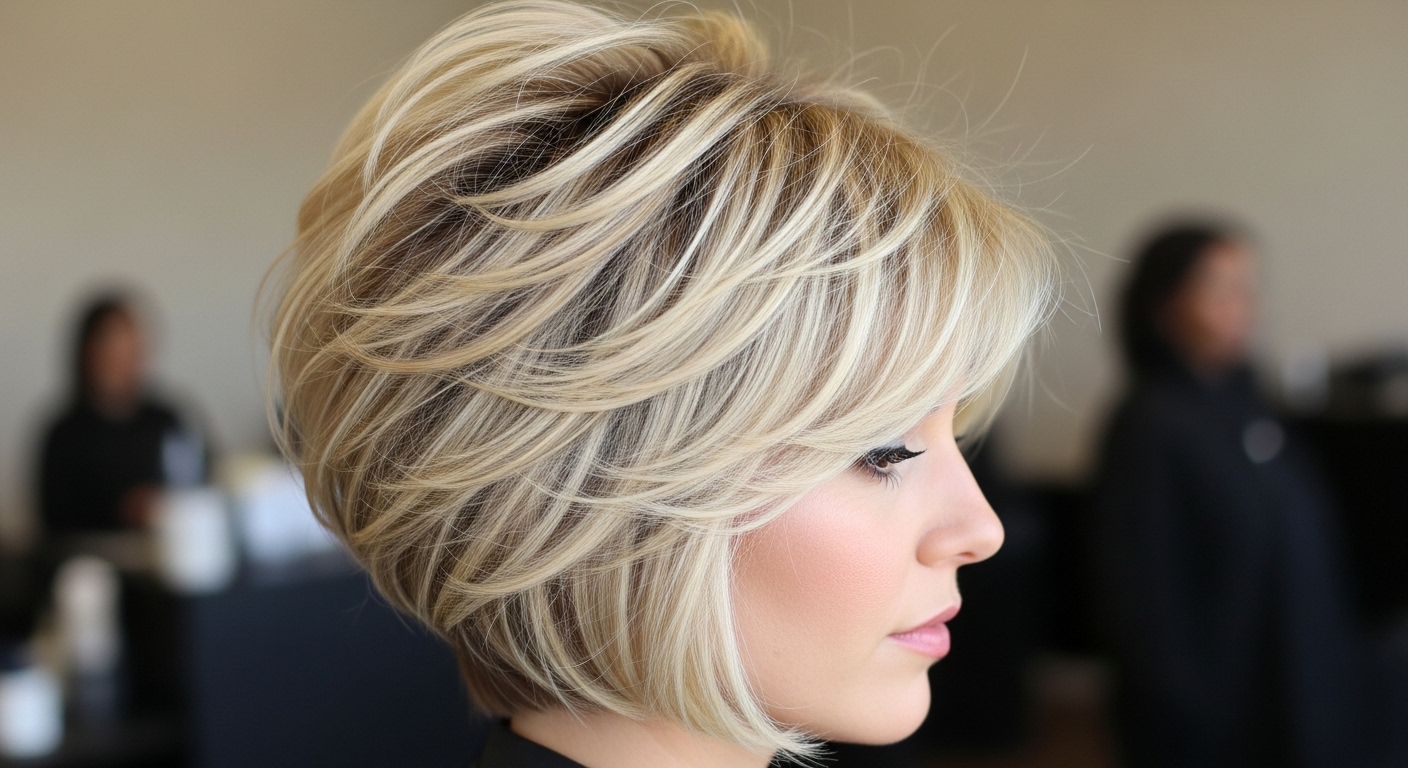
Cut After 40: The 5 Least Flattering Bob Haircuts According to a Professional Hairdresser
The first thing I noticed when I turned forty was not the candles on the cake. It was my hair. The bob that had carried me so effortlessly through my thirties suddenly felt wrong in a way I could not quite explain. Something about the way it framed my face had shifted.
So I did what anyone should do in that situation. I had an honest conversation with my hairdresser. With over two decades of experience watching how aging changes the way hair sits on a face, she did not hold back. Certain bob styles, she told me plainly, simply do not do women over 40 any favors. Here is what she said.
Why the Wrong Bob Can Age You Faster Than You Think
Hair does not age in isolation. The face changes too. Volume shifts. Definition softens. The jawline and cheeks evolve in ways that alter how a haircut interacts with your features.
A bob that looked effortlessly chic at 32 can look heavy, harsh, or dated at 42 if it is the wrong shape for where your face is now. The cut that ages you is not always the dramatic one. Sometimes it is the safe, familiar one you have been wearing for years without questioning whether it still works.
1. The Chin-Length Blunt Bob
This is one of the most popular bobs in existence and also, according to Samantha, one of the most problematic for women over 40. The blunt chin-length cut is a very youthful, almost girlish shape. On a face that is changing, it can make the face appear heavier and cause the neck to look more pronounced.
The problem is a lack of movement. The hair just sits flat against the cheeks with no layers to break the line or create any softening effect. That is a particularly unforgiving look when the face is going through natural changes in volume and contour.
Her advice is straightforward. If you love a chin-length style, push it an inch or two below the chin. That small adjustment in length significantly changes how the cut frames and flatters the face.
2. The Heavily Angled Asymmetrical Bob
The dramatic asymmetrical bob with one side noticeably longer than the other was a major trend for good reason. It is architectural and striking. But Samantha is clear that the more extreme versions of this cut become increasingly unkind as the face matures.
As the face loses volume and definition over time, a sharp dramatic angle can accentuate those changes in ways that are not flattering. It can make cheekbones look sunken, draw attention to changes in the jawline, and create an overall effect that reads as harsh rather than edgy.
The fix is not to abandon angles entirely. A subtle, graduated angle gives you shape and movement without the severity that ages a mature face.
3. The Blunt Micro-Bob
If the chin-length bob is risky, going even shorter into true micro-bob territory is riskier still. Anything cropped too close to the ear is not going to be flattering on most women over 40, according to Samantha.
An ultra-short blunt bob makes the face appear wider and heavier. It is an unforgiving shape that draws attention directly to any softening or volume loss in the cheeks and jawline rather than distracting from it.
The guideline here is simple. Keep the length at least an inch or two below the ear. That extra length makes a meaningful difference in how the cut frames the face and creates a more balanced, softer overall effect.
4. The Blunt Bob on Thick Hair
For women with thick, coarse hair, the classic blunt bob carries an additional set of problems after 40. The solid geometric shape that looks polished on finer hair tends to work against thick textures in a way that compounds with age.
Thick hair in a blunt bob can look heavy and unruly. The face can appear wider, the neck shorter, and the overall impression tips toward matronly rather than modern.
The solution is layers. Soft, face-framing layers introduced into the cut create movement, separation, and a lightness that transforms how the style sits. You keep the bob shape while eliminating the heavy, dated quality that the solid blunt line creates on thicker hair.
5. The Stacked Inverted Bob
The stacked inverted bob was everywhere a decade or two ago. It has not aged as well as the women who wore it. Samantha is direct about this one. The sharp angular shape that made it feel modern and interesting when it was trending now reads as harsh and aging on a mature face.
The stacked back combined with the dramatically shorter rear length can make the face look wider, the neck appear shorter, and the overall silhouette more severe than flattering. It is one of those styles where the structure that made it interesting is exactly what makes it problematic as facial features change.
Her recommendation is to choose a soft, rounded bob shape instead. The rounded silhouette is significantly more forgiving and can actively help balance the natural changes that happen to the face after 40.
Summary: The 5 Bobs to Reconsider After 40
| Bob Style | Why It Can Be Unflattering | What to Do Instead |
|---|---|---|
| Chin-length blunt bob | Makes face appear heavier, neck more pronounced | Go an inch or two below the chin |
| Heavily angled asymmetrical | Accentuates volume loss and jawline changes | Choose a subtle graduated angle |
| Blunt micro-bob | Widens the face, highlights sagging | Keep length at least an inch below the ear |
| Blunt bob on thick hair | Looks heavy and matronly | Add soft face-framing layers |
| Stacked inverted bob | Harsh and aging on mature features | Opt for a soft rounded bob shape |
What Actually Works After 40
Knowing what to avoid is only half the picture. The styles that consistently flatter women over 40 share a few key qualities that are worth understanding.
Samantha identifies three principles that she applies regardless of face shape or hair texture:
- Softness over geometry. Sharp, blunt, angular lines are unforgiving on a changing face. Softer shapes work with the face rather than against it.
- Movement over solidity. Layers and graduated shapes create movement that flatters. Solid blunt cuts that sit static against the face do not.
- Blended lines over harsh ones. Asking your stylist to blend the hairline seamlessly into the cut rather than creating abrupt transitions creates a more natural and flattering result.
Dr. Olivia Ramirez, a dermatologist and hair health expert, adds that the right bob can do genuine work for framing the face and flattering its features at any age. The key is finding the balance between movement, shape, and volume that works specifically for your face as it is now, not as it was ten years ago.
Read More: https://wizemind.com.au
How to Transition Away From an Unflattering Bob
If you have been wearing one of these styles for years and are ready to make a change, the best approach is gradual rather than dramatic. A sudden dramatic chop rarely delivers the result people hope for.
Samantha recommends starting with strategic layers to introduce movement and volume without changing the overall length significantly. From there, you can gradually adjust the shape over several appointments, moving toward a softer, more graduated profile at a pace that lets you see how each change interacts with your specific face and hair texture.
Rushing the transition is one of the most common mistakes women make when they decide to change their bob. Patience produces a far better result than one dramatic appointment.
Q&A: Bob Haircuts After 40
1. What are the most flattering bob haircuts for women over 40? Soft, layered bobs that hit below the chin, have a subtle graduated angle, and blend seamlessly into the face tend to be most flattering. Styles that avoid harsh blunt lines and extreme asymmetry are consistently recommended by professionals.
2. How can I make my existing bob more flattering as I get older? Ask your stylist to add layers, incorporate face-framing pieces, and soften any blunt or geometric lines. Small adjustments to shape and movement can make a significant difference without requiring a completely new cut.
3. What changes happen to hair after 40 that affect how a bob looks? Hair can lose volume and density, while the face changes in structure and contour. These shifts make certain styles like blunt or ultra-short cuts appear harsher and less balanced than they did when the face had more youthful fullness.
4. How often should a bob be trimmed to stay flattering? Most experts recommend trimming every 6 to 8 weeks to maintain shape and keep ends healthy. Regular trims prevent the style from looking grown out or unkempt, which adds years rather than removing them.
5. What products work best for maintaining a flattering bob after 40? Volumizing products, light smoothing serums, and soft-hold hairsprays help keep a bob looking polished. Avoid heavy products that weigh hair down and create a flat, dated appearance.
6. Can the wrong bob actually make you look older? Yes. Blunt, micro-short, or extremely angular cuts can accentuate signs of aging by drawing attention to changes in facial volume and jawline definition. A poorly chosen bob can age a face more than no cut at all.
7. Does face shape affect which bob is most flattering after 40? Absolutely. A professional stylist can assess your specific face shape and recommend the bob variations that will create the most balanced and flattering result for your individual features.
8. How do I know if my current bob is working against me? If your cut feels flat, heavy, or harsh rather than soft and balanced, those are signs the style may not be serving your face well. An honest consultation with an experienced stylist is the most reliable way to assess it.
9. Is the micro-bob ever a good choice after 40? For most women, a very short blunt crop close to the ear is not recommended after 40. There may be exceptions depending on specific face shape and features, but it requires careful professional assessment rather than a trend-based decision.
10. What is the single most important principle for a flattering bob after 40? Softness. Avoiding harsh, geometric, and severely blunt lines in favor of softer shapes with movement and layers is the principle that consistently produces the most flattering results on mature faces.
11. Should I avoid asymmetrical bobs entirely after 40? Not necessarily. A subtle, graduated asymmetry can be flattering. The issue is the extreme, dramatic version where the angle is very sharp. A skilled stylist can create asymmetry that adds interest without the harsh aging effect.
12. Does hair texture affect which bob works best? Yes significantly. Thick hair in a blunt bob can look heavy and dated. Fine hair may need different considerations for volume. A good stylist will factor your specific texture into the recommendation.
13. How should I approach a consultation about changing my bob? Be honest about what you are hoping the cut will do for you, bring reference images, and be open to your stylist’s professional assessment of what will actually work for your face shape and hair texture rather than simply replicating an image.
14. Can a bob cut help with the appearance of the neck and jawline after 40? Yes. The right bob length and shape can help frame and soften the jawline and create a more balanced proportion between the neck and face. The wrong cut can do the opposite and draw unwanted attention to exactly the areas you would prefer to minimize.
15. Is it worth investing in a more expensive stylist for a bob after 40? An experienced stylist who understands how aging affects the relationship between hair and face is genuinely worth the investment. A well-executed bob that flatters your mature features will look better and last longer between appointments than a poorly considered cut at any price point.