China Returns Boeing 737 MAX Jets to US 2026: Who Pays for Years of Grounded Planes and Broken Trust?
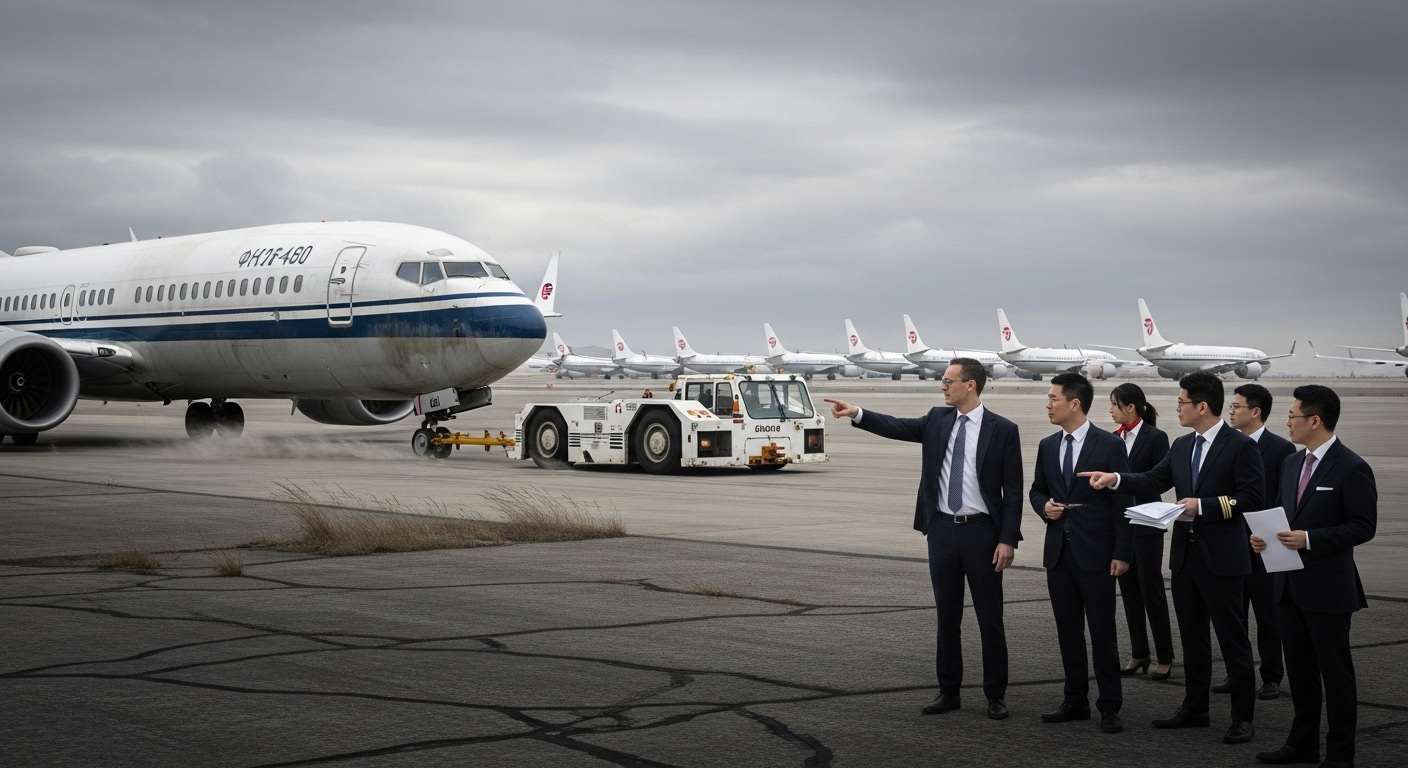
The blue and white livery of Boeing 737 MAX aircraft is reappearing at American airports — but these are not arriving passengers. Chinese airlines have begun quietly returning their fleets of grounded Boeing jets to the United States, setting in motion one of the most complex financial and diplomatic disputes the global aviation industry has ever faced.
The central question hanging over every returned aircraft is the same: who pays for the lost years?
How It Started: A Crisis That Changed Aviation
The Boeing 737 MAX story begins with two catastrophic crashes in the space of five months. In October 2018, Lion Air Flight 610 went down in Indonesia, killing all 189 people on board. Five months later, in March 2019, Ethiopian Airlines Flight 302 crashed minutes after takeoff, killing all 157 passengers and crew.
Both accidents were linked to the same cause — a flight control system called MCAS, designed to prevent aerodynamic stalls but capable of forcing the aircraft’s nose down repeatedly in certain conditions, leaving pilots unable to recover.
The worldwide grounding that followed in March 2019 was unprecedented in scale. Every 737 MAX in service globally was pulled from the skies overnight.
China’s Role: First to Ground, Last to Return
China’s response stood apart from the rest of the world in a significant way. While most aviation authorities grounded the MAX within days of the Ethiopian crash, China had actually moved first — grounding its 737 MAX fleet before the global order was issued. It was a deliberate signal that Beijing was prepared to act independently of international aviation consensus when it chose to.
At the other end of the timeline, China became the last major aviation market to approve the aircraft’s return to service, keeping its fleet grounded long after the US Federal Aviation Administration cleared the jet in November 2020 and most other regulators followed.
The gap between those two dates — years of stored, unmaintained, revenue-generating aircraft sitting on the ground — is precisely what makes the financial dispute so significant.
The Fleet That Is Coming Home
The scale of what China is returning makes the financial stakes concrete:
| Airline | 737 MAX Aircraft Grounded |
|---|---|
| China Eastern Airlines | 37 |
| China Southern Airlines | 27 |
| Air China | 15 |
| Hainan Airlines | 11 |
| Total | 90 aircraft |
Ninety aircraft. Years of storage costs, maintenance obligations, lease payments on alternative planes, lost revenue, and reputational damage to airlines that had ordered and paid for jets they could not fly.
Boeing’s Liability Problem
For Boeing, the returning aircraft represent more than a logistical challenge — they represent a liability crisis arriving on American soil.
The company has already absorbed over $20 billion in direct costs from the 737 MAX crisis, including compensation to airlines, production halts, software redesign, and regulatory compliance work. That figure covers what was already settled or unavoidable.
What is less settled is the question of what Boeing owes to Chinese carriers specifically — airlines that stored and maintained unusable aircraft for an extended period, leased expensive replacement jets to keep flying, and watched their operations disrupted for years longer than carriers in other markets.
Boeing’s position is complicated. It has limited appetite for further financial exposure. China’s airlines have limited appetite for absorbing costs they believe belong elsewhere. The negotiation between those two positions is only beginning.
China’s Strategic Calculation
This is not purely a commercial dispute. China’s decision to return the aircraft carries deliberate strategic weight.
By repatriating the jets now, Beijing is opening a high-stakes negotiation on its own terms and timeline. The move signals that China considers the financial account unsettled and expects Boeing — and by extension the United States — to engage seriously with its claims.
It also serves a domestic purpose. Chinese citizens expressed genuine concern about 737 MAX safety during the grounding period. By taking a visibly proactive regulatory role — grounding first, approving last, negotiating hard — the Chinese government demonstrates to its own public that it prioritises safety over commercial convenience.
The broader US-China economic relationship provides the backdrop. Aviation is one of several industries where the two countries’ commercial interests are deeply intertwined and increasingly contested. How this dispute resolves will be watched closely by both sides as a signal of how future disagreements get handled.
What Happens to 90 Returned Aircraft?
The return of 90 used aircraft to the American market is not a minor event for the broader industry. A sudden increase in available used 737 MAX jets could:
- Depress prices for used aircraft across global markets
- Create competitive pressure on new Boeing orders already in backlog
- Benefit smaller airlines looking to acquire jets at reduced prices
- Further strain Boeing’s ability to generate revenue from new deliveries while managing returned inventory
Airbus, Boeing’s primary global competitor, will be monitoring the situation closely. Any prolonged uncertainty around the 737 MAX’s commercial future in China represents a potential opening for Airbus to consolidate its position in one of the world’s largest aviation markets.
The Trust Problem That No Settlement Can Fully Solve
Financial compensation, however large, addresses only part of what was lost. The 737 MAX crisis exposed fundamental weaknesses in how aircraft are certified, how safety data is communicated between manufacturers and regulators, and how quickly international coordination can break down under commercial pressure.
Rebuilding genuine trust between Boeing, Chinese aviation authorities, Chinese airlines, and the travelling public requires more than a negotiated number. It requires demonstrated transparency, consistent safety performance over time, and a visible commitment from all parties that commercial considerations will not override safety concerns in the future.
Aviation safety expert Dr. Sarah Johnson has noted that this crisis underlined the urgent need for stronger safety protocols and greater transparency in the certification process — and that rebuilding trust across all stakeholders is the industry’s defining challenge going forward.
Key Timeline of the Crisis
| Date | Event |
|---|---|
| October 2018 | Lion Air Flight 610 crashes, 189 killed |
| March 2019 | Ethiopian Airlines Flight 302 crashes, 157 killed |
| March 2019 | Worldwide 737 MAX grounding ordered |
| November 2020 | FAA clears 737 MAX to fly again |
| 2023 onwards | Chinese airlines begin returning grounded fleets |
What Comes Next
The most likely path forward involves a negotiated settlement that packages financial compensation, a structured timeline for returning aircraft to Chinese service, and agreed commitments around safety oversight and transparency.
Reaching that agreement will not be quick or simple. Both sides have strong incentives to hold firm, and the geopolitical context adds layers of complexity that purely commercial disputes do not carry.
What is clear is that the outcome will set a precedent — for how aviation manufacturers and their customers handle future safety-related groundings, for how US-China commercial disputes get resolved, and for whether the global aviation industry emerges from this episode with stronger or weaker safety and accountability frameworks.
FAQs
Q: Why did China ground the 737 MAX before other countries? A: China moved independently ahead of the global grounding order, asserting its regulatory authority and signalling willingness to diverge from international norms on safety matters.
Q: How many Boeing jets are Chinese airlines returning? A: Approximately 90 aircraft across four major Chinese carriers — China Eastern, China Southern, Air China, and Hainan Airlines.
Q: Who is responsible for the financial losses from the grounding? A: This remains disputed — Chinese airlines are seeking compensation from Boeing, while Boeing has already absorbed over $20 billion in crisis-related costs and is resisting further liability.
Q: Will the returned aircraft fly again? A: Potentially — after inspection, maintenance, and regulatory clearance, returned aircraft could re-enter service with other airlines or be remarketed globally.
Q: How does this affect Boeing’s competition with Airbus? A: Prolonged uncertainty in China strengthens Airbus’s position in one of the world’s most important aviation markets, where Boeing previously held significant market share.
Q: What caused the original 737 MAX crashes? A: Both crashes were linked to the MCAS flight control system, which could force the aircraft’s nose down in certain conditions and could not be overridden by pilots using standard procedures.
Q: Is the 737 MAX safe to fly now? A: Aviation regulators in most countries, including the FAA and European Union Aviation Safety Agency, have recertified the aircraft following significant software and hardware modifications.