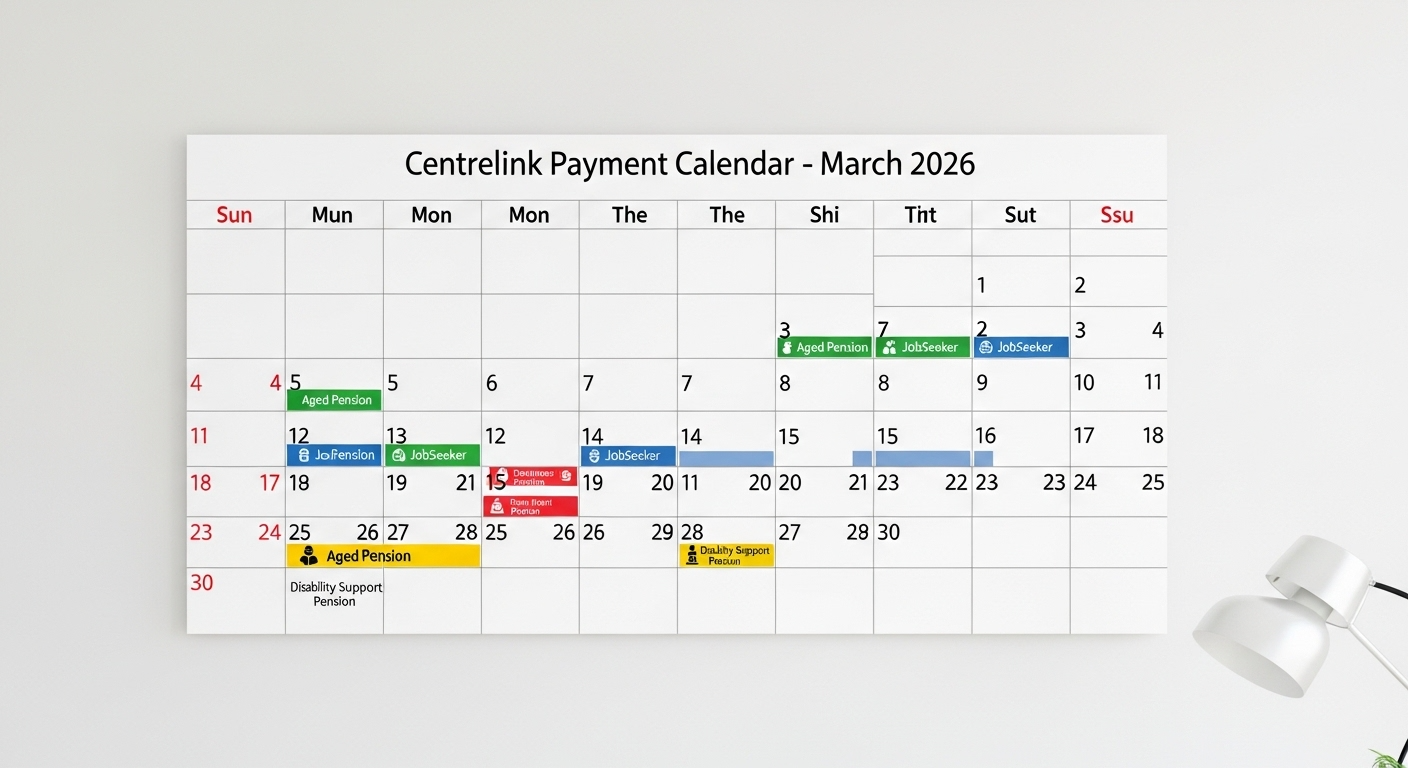
Centrelink Payment Calendar March 2026: Key Dates, Schedule Changes and What Recipients Need to Know
For millions of Australians who rely on Centrelink payments, March is rarely a straightforward month. Between public holidays shifting payment timing, the start of indexation cycles, and updated reporting deadlines, small changes that might seem administrative on the surface can have a real impact on weekly budgets. In 2026, the March payment schedule is drawing more attention than usual, and for good reason.
Understanding what is happening, and when, is the simplest way to avoid disruption.
Why March Payment Dates Sometimes Shift
Centrelink payments follow fortnightly cycles, but those cycles do not exist in isolation. Public holidays at the state level, long weekends, and system processing windows can all cause payment dates to move slightly. When a scheduled payment date falls on or near a bank closure or public holiday, Services Australia typically processes payments earlier rather than later to ensure recipients are not left waiting.
March also sits close to the period when administrative updates carry over from earlier in the year, and it is one of two months, alongside September, when indexation adjustments to major payment rates are commonly applied. If legislation has already passed to allow a rate increase in early 2026, that change will appear in fortnightly payment amounts from the relevant date.
Who Should Pay the Most Attention This Month
Not every Centrelink recipient will notice significant changes, but some groups are more affected by March timing shifts than others. Part-pensioners who report income on a regular basis need to check whether their reporting windows have moved alongside any date changes. JobSeeker recipients who report fortnightly face potential payment holds if a reporting deadline is missed, even by a day. Families tracking bill cycles around fixed payment dates, renters receiving Rent Assistance, and anyone in a household where Centrelink income covers time-sensitive expenses should all confirm their March schedule directly through their account.
Missing a revised reporting deadline does not cancel a payment permanently, but it can create a temporary hold that disrupts cash flow at exactly the wrong moment.
What an Early Payment Actually Means for Your Budget
When a payment arrives earlier than the standard date, it is easy to assume things have changed in your favour. They have not, in terms of total amount. What it does mean is that the gap to the following payment will feel longer than usual, because the cycle continues from the standard date rather than from when the early payment arrived.
If you have direct debits timed around your usual payment date, an early payment may arrive before those are due and create a false sense of buffer. It is worth checking whether any automatic payments need to be adjusted to account for the shifted timing, particularly for rent, utilities, or loan repayments.
What Services Australia Says
Services Australia has confirmed that payment schedule changes are a normal part of administration and are communicated through official channels. The advice from a spokesperson is consistent and simple: check your online account before any major public holidays to confirm whether your payment date has shifted. This takes a few minutes and removes any uncertainty before it becomes a problem.
What to Do Right Now
The most useful steps any Centrelink recipient can take this month are straightforward. Log in to your myGov or Centrelink online account and review the payment dates listed for March. Check your reporting deadlines and note whether any of them have shifted. If you have direct debits or bill payments tied to your usual payment date, review whether those need adjusting. Keep an eye on your bank account around the expected date so you catch any unexpected timing changes early.
Small changes to payment timing only become problems when they come as a surprise. A few minutes of checking now is worth considerably more than the stress of a disrupted budget later in the month.