Australia Retirement Income Rules 2026: Key Steps to Protect Your Pension Payments
For many Australians nearing retirement, even one small oversight can quietly reduce monthly income — sometimes permanently. A missed update or delayed notification might not seem serious at the time, but the financial impact can be significant. In most cases, retirees only realise something is wrong when payments suddenly drop or stop altogether.
Staying informed and proactive is the best way to protect your retirement income over the long term.
The Most Common Reason Pension Payments Drop
The number one reason retirement payments decrease is failing to report changes in income, assets, or living arrangements on time. Even minor adjustments can affect how your payments are calculated.
Common changes that must be reported include:
- Changes in superannuation withdrawals
- Interest earned from savings accounts
- Buying or selling assets
- Moving house or changes in household structure
- Starting or stopping part-time work
When these updates are delayed or missed, payments can be reassessed suddenly — often with very little notice.
Why Payments Can Change Faster Than You Expect
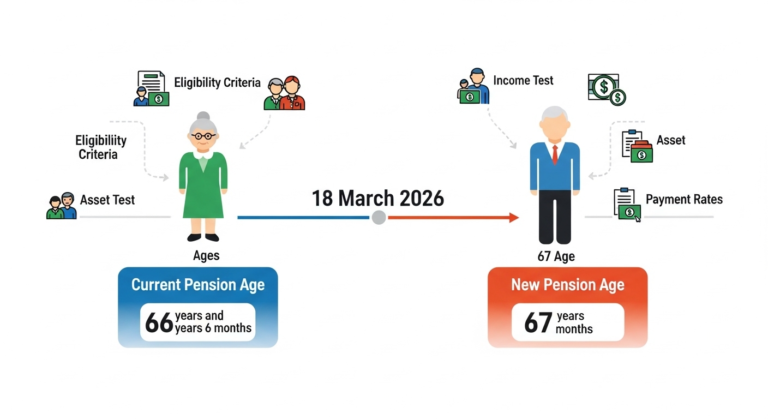
Retirement benefits in Australia are calculated using both an income test and an assets test. These systems adjust payments gradually, but once certain limits are crossed, reductions can happen quickly.
Because assessments run continuously, systems may automatically update your payments the moment new data comes in. This can result in:
- Lower fortnightly pension payments
- Reduced supplementary benefits
- Temporary suspension during reviews
- Debts created by overpayments you may have to repay
For retirees living on a fixed income, even a modest reduction can throw a monthly budget off balance.
How Asset Changes Catch Retirees Off Guard
Many retirees assume that only large financial changes affect their payments. In reality, even small shifts in assets can make a difference — especially for those sitting close to eligibility thresholds.
Common situations that often go unreported include:
- Receiving an inheritance
- Selling shares or investments
- Transferring money between accounts
- Changes in superannuation account status
If these changes are not reported promptly, you may receive incorrect payments and later be asked to repay the difference.
Real Situations That Show How Easily This Happens
Real experiences from Australians highlight just how quickly things can go wrong.
A retiree in Tasmania saw her payments drop after interest earnings on her savings account increased — something she had no idea needed to be reported immediately.
In another case, a couple in Perth had their payments reduced after a change in their living arrangement. They had assumed it would not affect anything.
These situations are common — and in most cases, completely avoidable.
Why Couples and Renters Face Greater Risk
Couples and renters tend to go through more frequent payment reassessments due to shared income and housing-related factors.
For couples, one partner’s financial change can affect both payments. For renters, keeping rental details current is essential to continue receiving rent assistance. Missing updates in either situation can lead to faster and more noticeable payment reductions.
What the Rules Say About Reporting
Government guidelines are clear: keeping your personal and financial information up to date is your responsibility. Accurate reporting prevents unexpected debts and ensures your payments stay correct.
Officials have consistently noted that many payment reductions could be avoided entirely if updates were made earlier.
Steps You Can Take Right Now to Protect Your Income
You do not need to be a financial expert to stay on top of this. A few simple habits make a big difference:
- Review your income and asset information regularly — do not wait for something to go wrong
- Report any changes as soon as they happen — even if you are unsure whether they matter
- Check your payment statements each fortnight for unexpected adjustments
- Keep records of all financial transactions in case clarification is ever needed
- Ask Centrelink directly if you are unsure whether something needs to be reported
When to Ask for Help
If your payments change unexpectedly or something does not look right, contact Centrelink as early as possible. The longer you wait, the more complicated it can become.
Additional support is available through:
- Community legal centres
- Seniors support organisations
- Free financial counselling services
Getting help early turns a small problem into a manageable one. Waiting often turns it into a much bigger one.
FAQs
Q: What changes do I need to report to Centrelink? A: Any change in income, assets, living arrangements, or employment status must be reported promptly.
Q: How quickly do I need to report a change? A: As soon as the change happens — delays can lead to overpayments you may have to repay.
Q: Can a small increase in savings interest affect my pension? A: Yes, even small increases in interest earnings count as income and can affect your payment amount.
Q: What happens if I receive an inheritance? A: It must be reported to Centrelink as it affects your assets test and may reduce your pension.
Q: Where can I report changes to Centrelink? A: Online through myGov, by phone, or in person at a Services Australia service centre.
Q: What if I disagree with a payment reduction? A: You have the right to request a review of the decision through Centrelink or seek help from a community legal centre.