Spain Opens the Largest Tuna Canning Plant in Casablanca Built With National Technology
A Landmark Facility on Morocco’s Atlantic Coast Is Reshaping the Global Tuna Industry
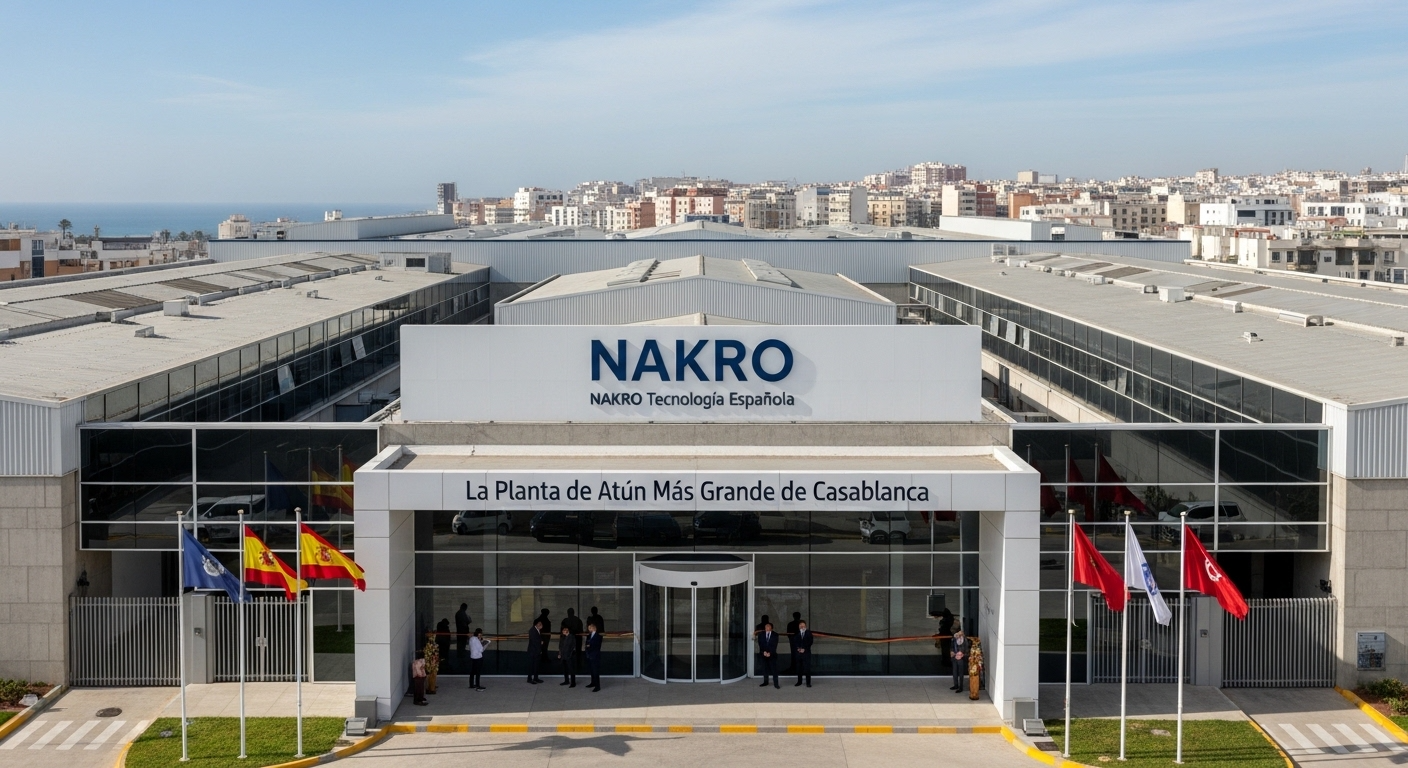
Casablanca has long been Morocco’s commercial engine, but a new development along its Atlantic coastline marks a significant shift in the country’s industrial ambitions. The largest tuna canning plant ever built using national technology has officially opened, backed by Spanish engineering expertise and Moroccan capital in a partnership that is drawing international attention.
The scale of the facility is considerable, designed to process tuna sourced from the North Atlantic and Mediterranean at a volume that positions Morocco as a serious challenger to the Asian and European players who have long dominated this market. For a country with deep maritime heritage and growing industrial momentum, this plant represents far more than a factory opening.
Why This Plant Is Different From Others in the Industry
What separates this facility from existing tuna processing operations is its comprehensive integration of automation, traceability, and cleaner production methods from the ground up. Rather than retrofitting older infrastructure, the plant was designed with 21st-century food safety and sustainability standards as the starting point, not an afterthought.
Every tuna product that moves through the facility can be tracked from arrival through to final packaging, providing the supply chain transparency that international buyers and increasingly discerning consumers now expect as standard. This level of traceability is not just a marketing advantage but a regulatory necessity in the European and North American markets the facility is targeting.
The Spanish-Moroccan Partnership Behind the Project
The collaboration between Spanish engineering firms and Moroccan investors reflects a deepening economic relationship between the two countries that extends well beyond this single project. Spain brings decades of expertise in food processing technology and export-grade manufacturing standards, while Morocco contributes capital, proximity to Atlantic fishing grounds, and a strategic geographic position between Europe and Africa.
Policy analyst Hicham Bougraoua described the partnership as a demonstration of the synergies that emerge when nations combine complementary strengths toward a shared industrial objective. For Morocco, securing Spanish technical knowledge for a domestically owned and operated facility is a significant step toward industrial self-sufficiency in a high-value export sector.
“This investment is a testament to the power of international cooperation. The partnership between Spanish engineering expertise and Moroccan capital demonstrates the synergies that can be unlocked when nations collaborate to drive industrial progress.” — Hicham Bougraoua, Policy Expert, North African Economic Development
What Automation Means for Product Quality and Efficiency
The facility’s advanced automation systems do more than reduce labour costs and increase throughput. They enforce consistency at every stage of the canning process, reducing the variability that has historically been one of the quality control challenges in large-scale seafood processing.
Automated sorting, cooking, filling, and sealing systems allow the plant to maintain premium quality standards across high production volumes without the inconsistencies that manual processes introduce at scale. Dr. Samir Abdelkader, an expert in sustainable food production, described the automation and traceability combination as a genuine game-changer for both efficiency and consumer confidence.
“The integration of automation and traceability systems within this facility is a game-changer. It not only enhances efficiency and product quality but also aligns with the growing consumer demand for transparency and responsible sourcing.” — Dr. Samir Abdelkader, Sustainable Food Production Expert
Morocco’s Strategic Position in the Global Tuna Market
The global canned tuna market is dominated by processing operations in Thailand, Spain, Ecuador, and the Philippines, all of which have built their positions over decades of industrial investment. Morocco’s entry at this scale, with this level of technology, is a direct challenge to that established order rather than an attempt to occupy a niche.
The country’s Atlantic coastline provides direct access to some of the most productive tuna fishing grounds in the world, reducing the supply chain distance that affects competitors relying on imported raw material. Food industry analyst Fatima Benhamou described the facility as a strategic repositioning of Morocco within the global seafood trade, not merely an incremental capacity addition.
“This tuna canning facility represents a strategic shift in the global tuna market. By leveraging the latest technologies and prioritising sustainability, Morocco is positioning itself as a formidable player, ready to challenge the dominance of established players in Asia and Europe.” — Fatima Benhamou, Food Industry Analyst
The Economic Impact on Casablanca and Morocco’s Coastal Communities
The immediate employment impact of a facility of this size is significant, but the longer-term economic ripple effects are what analysts are watching most closely. Ancillary industries including packaging, logistics, cold storage, and equipment maintenance all grow in response to a major processing facility establishing itself in a region.
Skilled technical roles in automation maintenance, quality assurance, and export compliance represent a category of employment that Morocco’s coastal communities have had limited access to historically. The plant is expected to contribute meaningfully to economic diversification in a region that has historically relied on primary fishing rather than value-added processing.
Sustainability at the Core of the Facility’s Design
Consumer demand for sustainably sourced and responsibly processed seafood has grown sharply across European and Australian markets over the past decade. Certification schemes and retailer procurement policies have made supply chain sustainability a commercial requirement, not merely an ethical preference, for any processor targeting premium export markets.
The Casablanca plant’s design incorporates water recycling systems, waste reduction protocols, and energy-efficient processing equipment that align with the expectations of buyers in environmentally conscious markets. This positions its products favourably for entry into certification frameworks that command price premiums and preferred supplier status with major retail chains globally.
The Challenges That Still Lie Ahead
Opening the plant is the beginning of the operational challenge, not the end of it. Maintaining a consistent supply of high-quality raw tuna from the North Atlantic and Mediterranean at the volumes this facility requires will demand robust and long-term fishing partnerships.
Navigating international food safety regulations, particularly the standards required for export to the European Union, will require ongoing investment in compliance infrastructure and qualified regulatory personnel. The facility must also build its brand reputation in export markets where Moroccan canned tuna is not yet an established category in the minds of buyers or consumers.
Frequently Asked Questions
Why is Casablanca a strategic location for this facility? Its Atlantic coastline provides direct access to major tuna fishing grounds, while the city’s port infrastructure and transport connections support efficient export to European and global markets.
What makes this the largest plant built with national technology? It is the largest tuna canning facility constructed using domestically developed and Spanish-engineered technology rather than relying on existing foreign-owned processing models.
How does the traceability system work in practice? Every batch of tuna is tracked from arrival through processing to packaging, creating a complete digital record that verifies origin, handling conditions, and compliance with food safety standards.
Will this facility affect global tuna prices? Increased processing capacity at competitive efficiency levels typically exerts downward pressure on wholesale prices over time, though the extent depends on how quickly the plant reaches full production volume.
What sustainability certifications is the facility targeting? The plant is designed to meet the requirements of major international seafood sustainability standards, though specific certification timelines have not yet been publicly confirmed.
Key Points to Remember
- The Casablanca facility is the largest tuna canning plant built with national technology, combining Spanish engineering with Moroccan ownership and capital.
- Full automation and traceability systems distinguish this facility from older processing operations and align it with premium export market requirements.
- Morocco’s Atlantic coastline location provides a natural supply chain advantage over competitors relying on imported raw tuna.
- The project is expected to create skilled employment and stimulate ancillary industries across Morocco’s coastal economic region.
- Sustainability and food safety compliance are central to the facility’s design, positioning its products for entry into environmentally conscious European and global markets.
Conclusion
The opening of this facility is not simply a story about fish processing. It is a story about Morocco asserting industrial ambition at a global scale and doing so with the technology, partnerships, and market awareness to compete seriously.
For the global tuna industry, a new and well-resourced competitor has arrived on the Atlantic coast. How quickly it builds market share will be one of the more interesting developments in international food trade to watch over the next several years.
Read more: https://wizemind.com.au