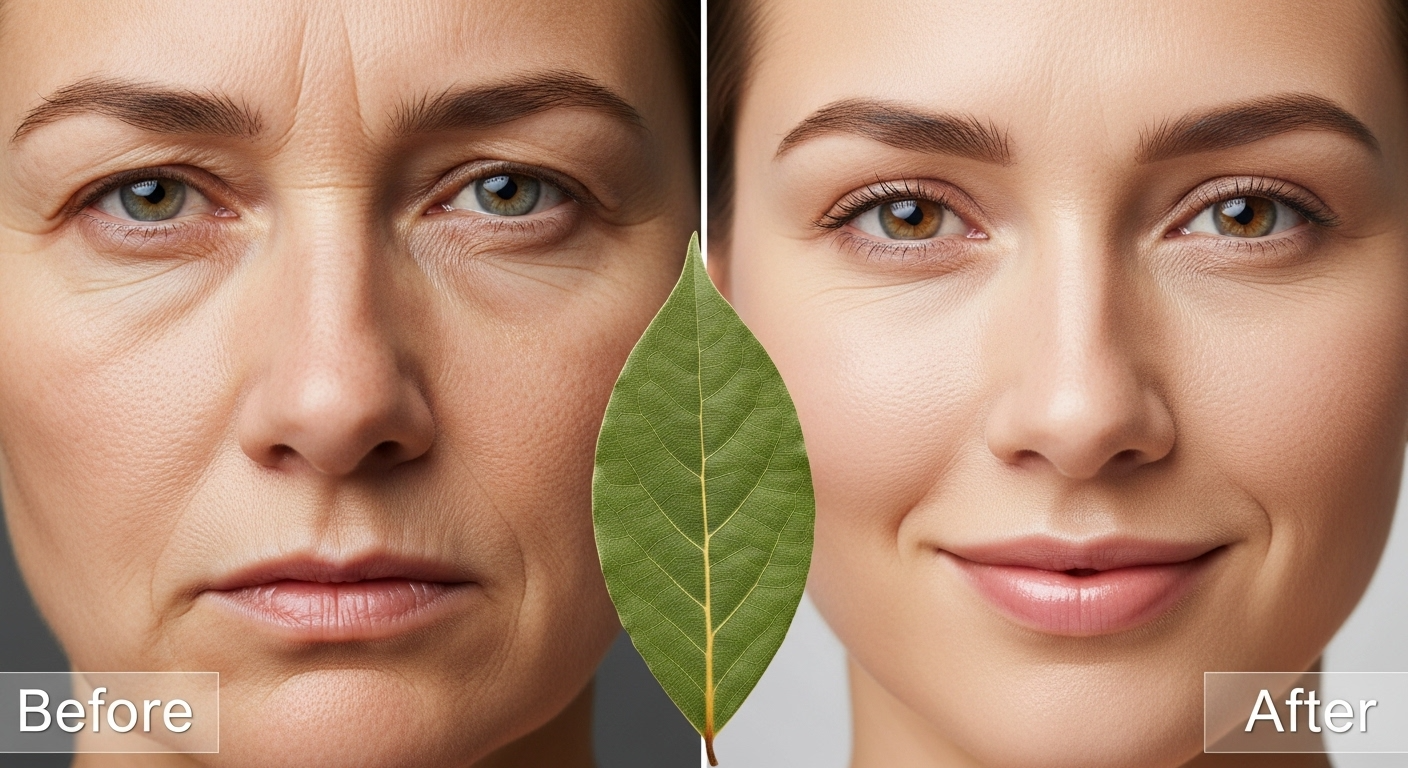
Here’s How a Bay Leaf Will Make You Look Younger: Its Effects Are Visible in a Few Days
In the ever-evolving world of beauty and wellness, the humble bay leaf has emerged as a surprising contender for natural skin rejuvenation. Across social media platforms and beauty forums, people are sharing their experiences with a simple bay leaf infusion applied to the skin, and the claims are striking. Visibly younger-looking skin in just a matter of days. But is there genuine substance to these assertions, or is this simply the latest fleeting trend in a cycle of passing beauty fads?
The science behind bay leaf’s alleged skin-rejuvenating properties turns out to be more interesting than you might expect, and the remedy itself is considerably more accessible than most things marketed with similar claims.
The Skin-Boosting Properties of Bay Leaf
Bay leaves, botanically known as Laurus nobilis, have been valued for their culinary and medicinal properties across many cultures for centuries. What is newer is the growing conversation around their potential benefits for skin applied topically rather than consumed in food.
Proponents of bay leaf water claim it can calm inflammation, tighten the appearance of pores, and reduce the visibility of fine lines and wrinkles. The case for these effects rests primarily on the leaf’s antioxidant content. Bay leaves contain compounds including eugenol, cineole, and pinene, all of which have demonstrated anti-inflammatory and antioxidant activity in research settings. When steeped in water, these compounds are released into the liquid and can, in theory, be absorbed by the skin when applied topically.
Antioxidants matter for skin because free radical damage is one of the primary drivers of premature ageing. Environmental exposure, UV radiation, and ordinary metabolic processes all generate free radicals that degrade collagen and accelerate the development of fine lines and uneven texture. Compounds that neutralise free radicals before they cause this damage have a genuinely useful role in skin health, which is why the antioxidant content of bay leaves is worth taking seriously rather than dismissing outright.
What the Research Actually Shows
The scientific research on bay leaf applied directly to skin is still relatively limited compared to more extensively studied ingredients, and it is worth being honest about that. However, what does exist is reasonably encouraging.
A 2016 study published in the Journal of Cosmetic Dermatology found that a bay leaf-infused gel demonstrated measurable anti-inflammatory and wound-healing properties when applied to the skin. This suggests a genuine capacity to soothe irritated or compromised skin rather than simply a cosmetic surface effect. A 2019 review in the journal Antioxidants examined the bioactive compounds in bay leaves and noted their potential to neutralise free radicals and slow the processes associated with premature skin ageing.
Neither of these studies is a definitive final word on topical bay leaf for anti-ageing, and more research would strengthen the case considerably. What they do suggest is that the mechanism being proposed, antioxidant and anti-inflammatory activity working at the skin surface, is not implausible. The compounds are real, their properties are documented, and the question of whether a simple home infusion delivers them effectively enough to produce visible results is where individual experience becomes relevant.
The anecdotal reports from people who have tried bay leaf toner regularly describe improvements in skin texture, tone, and a general quality they describe as looking more rested or refreshed. Whether this reflects genuine cellular activity or a more general benefit of adding a consistent, gentle skincare step is difficult to separate from outside a controlled study, but the reported experiences are broadly consistent with what the compound profile would predict.
How to Make a Bay Leaf Toner at Home
One of the most appealing aspects of this particular remedy is how straightforward and inexpensive it is to try. The process requires only dried bay leaves, water, and a clean container.
Steep four to six dried bay leaves in one cup of boiling water for fifteen to twenty minutes. Allow the mixture to cool completely to room temperature. Strain out the leaves and transfer the liquid to a clean spray bottle or airtight jar. Store it in the refrigerator, where it will keep well for up to one week.
To use, apply the toner to clean skin after washing your face, either by spritzing directly or by pressing it into the skin with a clean cotton pad. Allow it to absorb fully before continuing with the rest of your skincare routine. Using it morning and evening will give the active compounds the most consistent opportunity to work.
Shake or stir the toner before each use, as the beneficial compounds can settle toward the bottom of the container over time. Avoid applying it to broken, cracked, or actively irritated skin. If you experience any redness, itching, or unusual reaction, stop using it immediately.
Who Is Most Likely to Benefit
The potential skin benefits of bay leaf are broadly applicable, but certain skin types and concerns appear to respond most noticeably.
People with mature skin showing signs of ageing, particularly fine lines, uneven texture, or a loss of overall brightness, are the most frequently cited beneficiaries. The antioxidant and anti-inflammatory activity in bay leaf compounds is most relevant precisely to the processes that drive these changes, which is why dermatologists who comment on this ingredient tend to focus on this group. Those with dry or sensitive skin may also find the soothing qualities of the infusion helpful, particularly if their skin reacts poorly to conventional toners containing alcohol or synthetic fragrance.
People with acne-prone or blemish-prone skin may benefit from the anti-inflammatory properties, which can help calm the redness and irritation associated with breakouts without the harshness of some targeted acne treatments. Those with eczema or rosacea have also reported finding bay leaf water soothing, though anyone with an existing skin condition should introduce any new ingredient cautiously and ideally with guidance from a dermatologist.
Who Should Be Cautious
Bay leaf is generally considered safe for topical use across most skin types, but some people should approach it with extra care or avoid it entirely.
Anyone with a known allergy or sensitivity to bay leaves, or to other plants in the laurel family, should not use bay leaf water on their skin. As with any new topical ingredient, a patch test on a small area of skin, the inner forearm works well, before applying it to the face is always a sensible precaution regardless of your sensitivity history.
Pregnant women and people with liver or kidney conditions are advised to consult a healthcare professional before incorporating bay leaf into their routine. While topical use is unlikely to carry the same considerations as internal consumption, the precaution is reasonable given the limited specific research on these populations.
Pairing Bay Leaf for Greater Effect
Bay leaf toner works as a standalone step, but it can also be combined with other gentle and compatible ingredients if you want to build on its baseline benefits.
Adding a few drops of rosehip oil or marula oil to your toner introduces additional skin-nourishing fatty acids that complement the antioxidant activity of the bay leaf compounds. Blending the cooled infusion with aloe vera gel creates a more hydrating version that is particularly well suited to dry or dehydrated skin. Chamomile tea used as the liquid base instead of plain water adds an additional layer of soothing anti-inflammatory activity.
These combinations are worth experimenting with to find what suits your particular skin. The foundational step, the bay leaf infusion itself, remains consistent across all of them.
Sourcing the Right Bay Leaves
Not all bay leaves are the same, and using the correct variety matters for getting the most from this remedy. The variety with the best-documented skin-beneficial compound profile is Laurus nobilis, the common Mediterranean or European bay leaf most widely used in cooking across Australian kitchens.
Other varieties are sometimes sold or labelled simply as bay leaf but have different compound profiles. California bay leaf, Indian bay leaf, and Indonesian bay leaf all look broadly similar but have distinct flavour and chemical compositions. For skincare purposes, sourcing Laurus nobilis specifically from a reputable spice supplier or growing your own plant ensures you are working with the variety whose properties are most relevant to the claims being discussed.
Dried bay leaves suitable for this purpose are widely available in Australian supermarkets, health food stores, and online spice suppliers at very modest cost. A small packet will provide enough material for many weeks of regular toner preparation.
The Practical Case for Trying It
One of the most honest arguments in favour of giving bay leaf toner a genuine trial is simply the ratio of cost to potential benefit. A packet of dried bay leaves costs a few dollars and lasts a long time. The preparation requires no specialist equipment and takes less than half an hour including steeping and cooling time. The ingredients are familiar, the process is transparent, and there are no synthetic compounds or undisclosed additives to navigate.
For anyone already maintaining a basic skincare routine, adding a bay leaf toner as a replacement for or supplement to a conventional toner represents a very low barrier to experimentation. The worst realistic outcome is that you notice no particular difference and move on. The better outcome, which a meaningful number of people report, is a visible improvement in skin texture and tone within a few days of consistent use.
The science is not yet at the stage where anyone can guarantee specific outcomes, and claims of dramatic transformation within days should be held with appropriate perspective. What the available evidence does suggest is that the underlying mechanism is plausible, the active compounds are real, and the gentle anti-inflammatory and antioxidant activity of bay leaf infusion applied to the skin is likely to produce at least some benefit for most people who try it consistently.
That is a reasonable foundation for a remedy that costs almost nothing and requires only a few minutes of your time to prepare.
Read More: For more beauty, skincare, and natural wellness tips written for Australian readers, visit wizemind.com.au