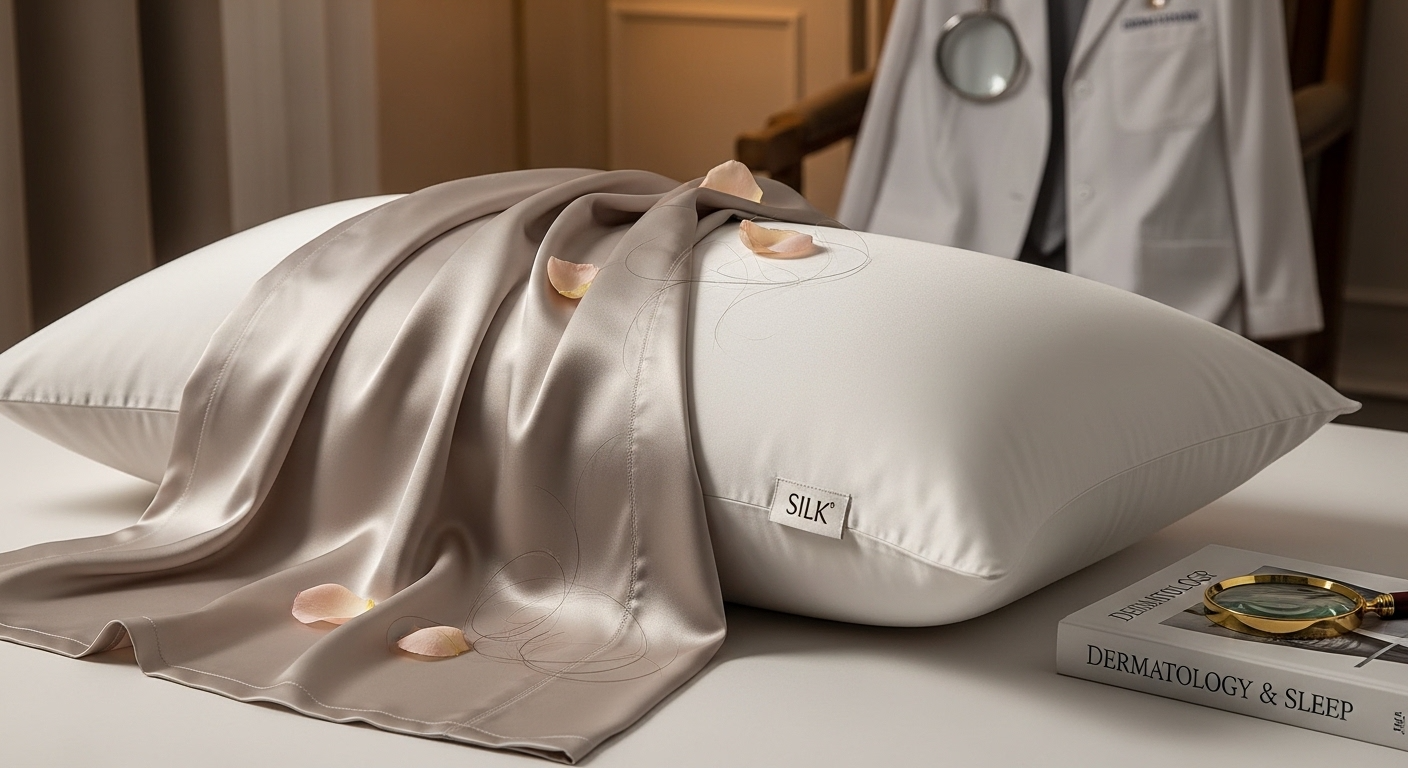
The Pillowcase Fabric That Dermatologists Unanimously Recommend for Reducing Sleep Creases, Acne Breakouts, and Hair Breakage Overnight
It sounds almost too simple to be true. You spend time and money on skincare routines, hair treatments, and beauty products, yet wake up each morning with fresh sleep creases, unexpected breakouts, or hair that looks rougher than it did when you went to bed. The problem, according to dermatologists, might not be your routine at all. It might be what your face is resting against for eight hours every night.
The Overlooked Culprit on Your Bed
Traditional cotton pillowcases feel soft enough when you first lie down. The problem is what happens as you sleep. Cotton creates friction against your skin and hair, tugging and pulling with every movement. It also absorbs moisture readily, drawing oils and hydration away from your skin throughout the night.
The result is a combination that works against you while you sleep. Skin gets drier and more irritated, fine lines form from repeated creasing against the fabric, pores can get clogged from the bacteria and oils the cotton collects, and hair strands face friction that leads to breakage, frizz, and split ends.
The fix that dermatologists consistently recommend is switching to pure mulberry silk.
Why Silk Makes Such a Difference
Silk is composed of long, smooth, protein-based fibres. Where cotton grips and tugs, silk allows your skin and hair to glide across the surface with almost no resistance. That single difference — friction — is at the root of most of the benefits dermatologists describe.
Dermatologist Dr. Emma Craythorne puts it directly: “Silk pillowcases are a game-changer for anyone concerned about the health and appearance of their skin and hair. The reduced friction and moisture-wicking properties make a significant difference in the long-term condition of both.”
Because silk is far less absorbent than cotton, it doesn’t strip away the natural oils your skin produces overnight. Your skin’s hydration levels stay more stable, which can reduce dryness, irritation, and the cycle of over-production that often contributes to breakouts. The same logic applies to hair — the natural oils that condition your strands stay where they belong rather than being absorbed into the fabric.
The Benefits in Practice
For acne-prone skin, the improvement often comes quickly. A cotton pillowcase accumulates oils, bacteria, and product residue over days of use, and your face presses against all of that for hours each night. Silk’s lower absorbency means less of that material builds up, and less of it transfers back to your skin.
For sleep creases and fine lines, the difference is mechanical. Silk reduces the sharp folds that form when skin is pushed and held against a rougher fabric. Over time, repeated sleep creases in the same places can contribute to permanent lines. Reducing that nightly friction is a genuine long-term benefit.
For hair, particularly fine, fragile, colour-treated, or natural hair, the low-friction surface of silk means strands move freely during sleep rather than catching and breaking. People with curly or textured hair often notice a significant reduction in morning frizz. Those with colour-treated hair find that the colour stays more vibrant for longer.
Silk is also naturally hypoallergenic and resistant to dust mites, which is an additional benefit for anyone with sensitive skin or allergies who may be reacting to what their standard pillowcase is harbouring.
What to Look for When Buying
Not all silk pillowcases are equal, and the label matters. Pure mulberry silk is considered the gold standard — the softest, most durable, and most hypoallergenic type available. Avoid anything marketed as “satin” or “silk-feel” that doesn’t specify 100 percent mulberry silk, as these are usually synthetic blends that won’t deliver the same results.
Look for a momme weight of at least 19 to 25, which indicates a durable, quality fabric rather than a thin product that will wear out quickly. The pillowcase should feel genuinely smooth and cool to the touch, not slippery in a synthetic way.
Good quality silk pillowcases are machine washable on a delicate cycle with a mild detergent. Avoid fabric softener and bleach, which can damage the fibres over time. Lay flat or hang to dry rather than tumble drying.
Is the Cost Worth It?
Silk pillowcases are more expensive than cotton ones, but the comparison changes when you think about them as a long-term investment rather than a one-off purchase. A well-made silk pillowcase, properly cared for, will last for years. Over that time, the ongoing benefit to your skin and hair is genuine and accumulating.
For anyone already spending money on skincare products, serums, or hair treatments, improving the surface those investments rest against each night is one of the more logical upgrades available. You’re protecting what you’ve already put on your face and hair rather than having it absorbed into your bedding.
Frequently Asked Questions
What is the main difference between silk and cotton pillowcases? Silk is a smooth, protein-based fibre that creates far less friction against skin and hair than cotton. It is also less absorbent, meaning it doesn’t draw away natural oils and moisture overnight. Cotton can tug, dry, and accumulate bacteria and oils that transfer back to your skin.
How often should I wash a silk pillowcase? Every one to two weeks, or more frequently if you use heavy hair or skin products. Wash on a delicate cycle with a mild detergent and hang or lay flat to dry. Never use bleach or fabric softener.
Can silk pillowcases help with acne? Yes. The reduced absorbency means less oil and bacteria accumulate on the pillowcase surface, and less of it transfers back to your skin. Many acne-prone people report fewer breakouts within a few weeks of switching.
Are silk pillowcases hypoallergenic? Yes. Silk is naturally resistant to dust mites, mould, and common allergens, making it a good choice for people with sensitive skin or allergies.
Can they help with hair loss or breakage? They won’t address the underlying causes of hair loss, but they can significantly reduce the mechanical breakage that comes from friction during sleep. Hair glides across silk rather than catching and snapping, which is particularly beneficial for fine, fragile, or chemically treated hair.
Can silk pillowcases help with fine lines and wrinkles? They can help reduce sleep creases, which form when skin is repeatedly pressed and folded against a rough surface. Over time those creases can become more permanent. Reducing nightly friction is a genuine preventive measure, though it won’t reverse existing wrinkles.
Do I need to buy an expensive one to see results? You don’t need to spend a fortune, but you do need genuine 100 percent mulberry silk rather than synthetic alternatives. Look for a reputable brand that specifies the silk type and momme weight, and read reviews before buying. A mid-range quality silk pillowcase will outperform even a premium cotton one for skin and hair purposes.